

Whether you are living in a compact urban apartment in Dubai or a cozy suburban villa, the challenge of limited square footage is a common concern in modern interior design. However, the size of your home does not have to dictate its atmosphere or style. With strategic planning and the right design techniques, you can transform even the smallest of spaces into an airy, inviting, and seemingly expansive environment.
Algedra Interior Design has curated this comprehensive guide to help you navigate the complexities of small-scale living. By applying these seven expert tips, you can master the illusion of space and make your small home look significantly larger.
1. The Strategic Power of Color and Palettes
Color is perhaps the most influential tool in an interior designer’s arsenal when it comes to altering the perception of space. In a small home, the choice of wall and furniture colors can either make the room feel like a cramped box or an open sanctuary.
The Magic of Bright and Neutral Tones
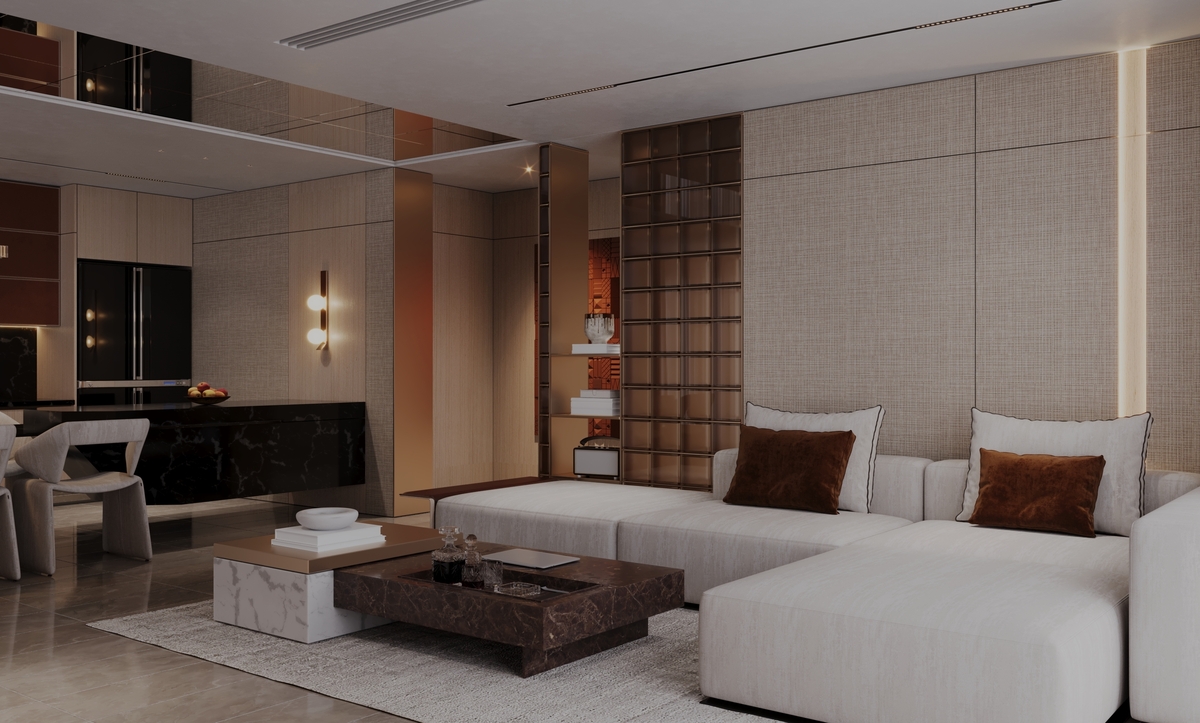
Bright colors have the unique ability to reflect light rather than absorb it. Whites, creams, light grays, and soft pastels like eggshell or pale blue are ideal for small homes. These shades make the walls recede, creating a sense of openness. When the walls and ceiling are painted in a similar light tone, the boundaries of the room become less distinct, tricking the eye into seeing more volume.
Incorporating Monochrome and Gradients
A monochrome decor strategy—using different shades of the same color—can add sophisticated depth without creating visual clutter. For instance, if you choose a light beige for your walls, you can use a slightly darker taupe for your rug and an ivory shade for your sofa. This layering creates a "third dimension" in the room.
Pro Tip: To make your ceilings appear higher, consider painting a slightly darker gradient at the very edges of the ceiling or using a darker trim on the floor. This contrast draws the eye upward and outward, emphasizing the room's height.
2. Mastering Lighting: Natural and Artificial
Lighting is the lifeblood of a spacious-looking home. A poorly lit room feels heavy and restrictive, while a well-lit space feels limitless.
Maximizing Natural Light
Nothing expands a room like natural sunlight. If you have windows, do not block them with heavy, dark curtains. Instead, opt for sheer fabrics or light-colored blinds that allow light to filter through while maintaining privacy. If your home’s architecture allows, consider expanding window sizes or installing "starlight" glazing in the ceiling to bring in light from above.
Layered Artificial Lighting
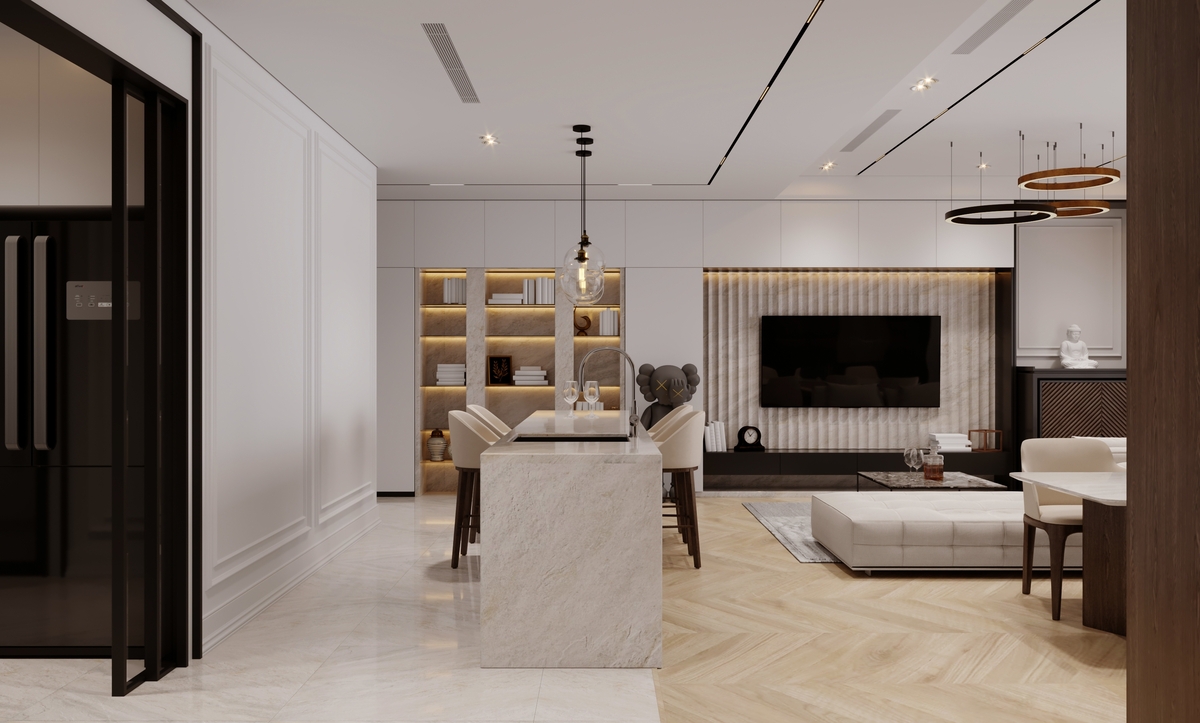
In rooms where natural light is limited, artificial lighting must step in. Avoid relying solely on a single overhead light, as this creates shadows in the corners that "shrink" the room. Instead, use layered lighting:
- Ambient Lighting: General illumination from ceiling fixtures.
- Task Lighting: Specific lights for reading or cooking.
- Accent Lighting: Spotlights or LED strips used to highlight architectural features or artwork.
Directing light toward the ceiling can make it feel higher, while wall-mounted sconces can wash the walls in light, pushing them outward visually. Stay away from warm yellow or highly colored lighting in small spaces, as these can make the area feel "muddy" and enclosed.
3. Mindful Décor: Scaling and Minimalism
One of the biggest mistakes in small-home design is over-decorating. Visual clutter is the ultimate enemy of space.
The "Less is More" Philosophy
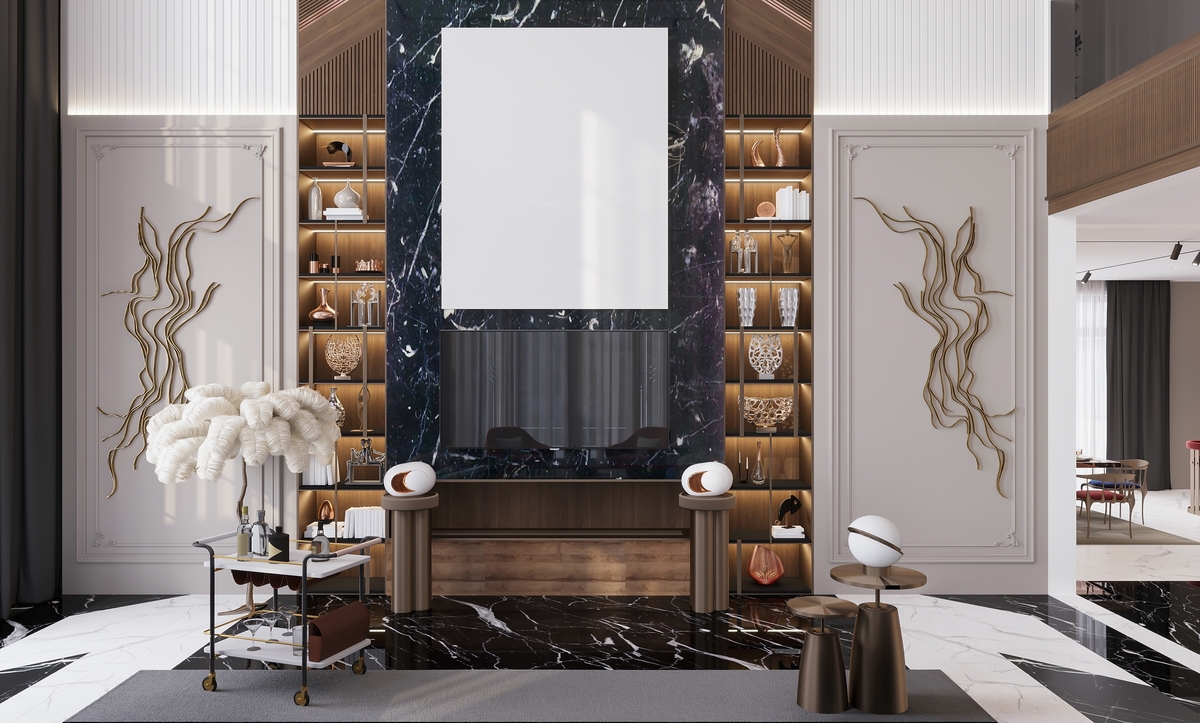
In a small room, every accessory must earn its place. Instead of a dozen small trinkets on a shelf, choose one or two medium-sized statement pieces. A minimalist approach ensures that the eye can move freely across the room without getting "stuck" on cluttered surfaces.
Proportional Furniture and Décor
Scale is critical. Oversized furniture can swallow a room, while too many tiny pieces can make it look disorganized. Select furniture that is "right-sized" for the available space. For example, instead of a massive coffee table, use a pair of smaller wooden chairs or nesting tables that can be tucked away or moved near a wall when not in use. This flexibility preserves floor space and allows for better movement.
4. The Mirror Illusion: Doubling Your Perspective
Mirrors are a classic "cheat code" for making any space look larger. They don't just reflect images; they reflect light and color, effectively doubling the visual depth of a room.
Full-Wall Mirrors
If you have a particularly narrow dining or living area, installing a large mirror—or even an entire mirrored wall—can create the illusion that the room continues indefinitely. This is a favorite trick in luxury apartment design, as it adds both elegance and a sense of grandeur.
Placement Strategies
To get the most out of a mirror, place it opposite a window. This creates a "second window" effect, bringing in more natural light and reflecting the outdoor scenery into the room. Long, vertical mirrors are excellent for making ceilings look higher, while horizontal mirrors can make a short wall feel much wider.
5. Utilizing Glass and Transparent Elements
Similar to mirrors, glass and transparent materials are excellent for small spaces because they do not "stop" the eye.
The "Invisible" Furniture Effect
When you use a solid wooden coffee table, it occupies a significant amount of visual space. However, a glass or acrylic coffee table provides the same functionality while remaining almost invisible. This allows you to see the floor and the rug underneath, which makes the room feel much more open.
Glass Shelving and Partitions
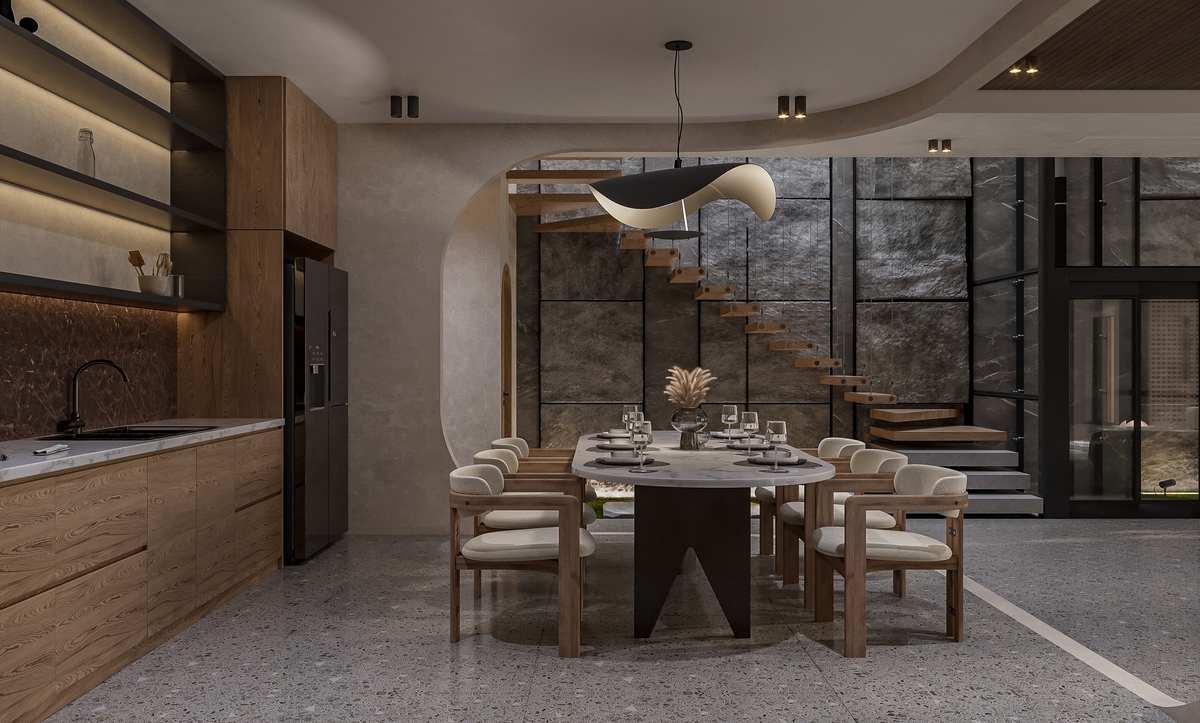
Instead of heavy wooden cabinets that act as visual roadblocks, consider open glass shelving. In kitchens or bathrooms, glass-fronted cabinets prevent the room from feeling "boxed in." Additionally, if you need to separate areas (like a dining area from a living room), use glass partitions instead of solid walls to maintain a sense of connectivity and flow.
6. Investing in Multi-Functional and Smart Furniture
In a small home, furniture must be as intelligent as it is beautiful. Every piece should ideally serve more than one purpose.
Adaptive Furniture Solutions
- Sofa Beds: A high-quality sofa bed allows a living room to double as a guest bedroom without requiring a dedicated room.
- Folding and Nesting Tables: Dining tables that can be folded down when not in use are perfect for maintaining floor space.
- Storage Ottomans: Use ottomans that open up to store blankets or magazines, keeping the surfaces of the room clear.
Visibility and Legs
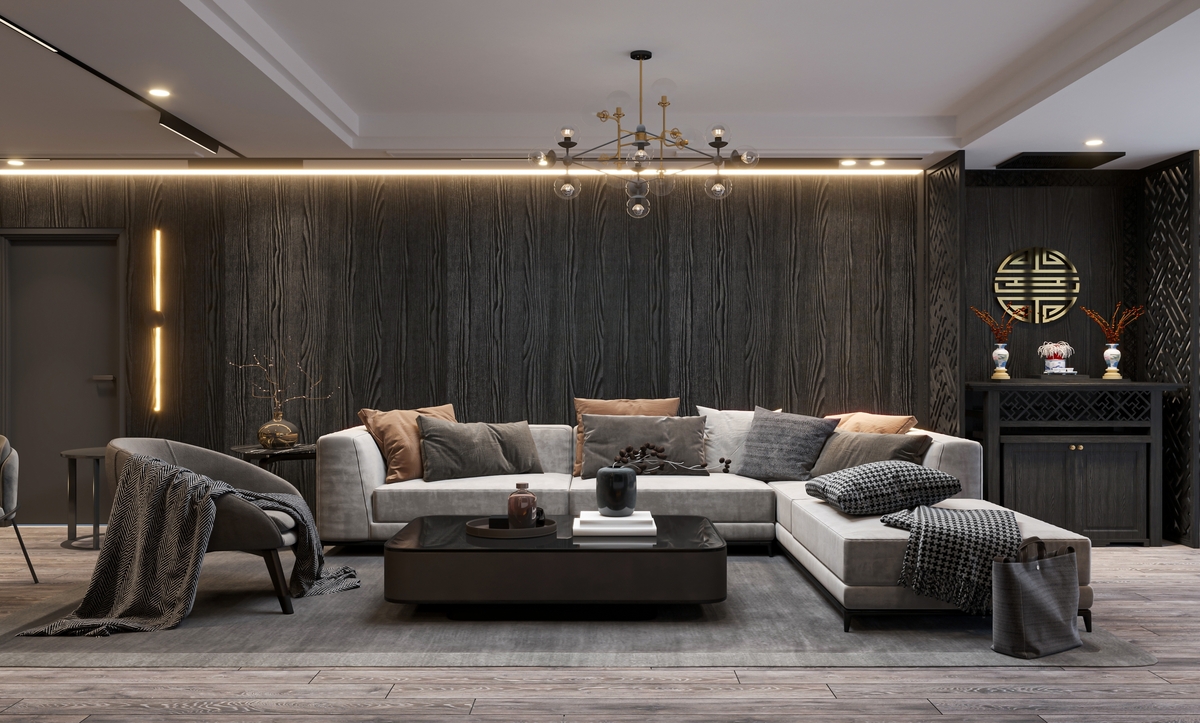
When choosing sofas and chairs, look for pieces with visible legs. Furniture that sits directly on the floor looks heavy. Furniture that is "lofted" on legs allows light and air to pass underneath, which contributes to an airy, spacious feeling.
7. Architectural Adjustments: The Open-Concept Kitchen
If you are in the renovation phase, reconsider your home’s layout. Traditional homes often have many small, partitioned rooms, which can feel claustrophobic.
The American-Style Kitchen
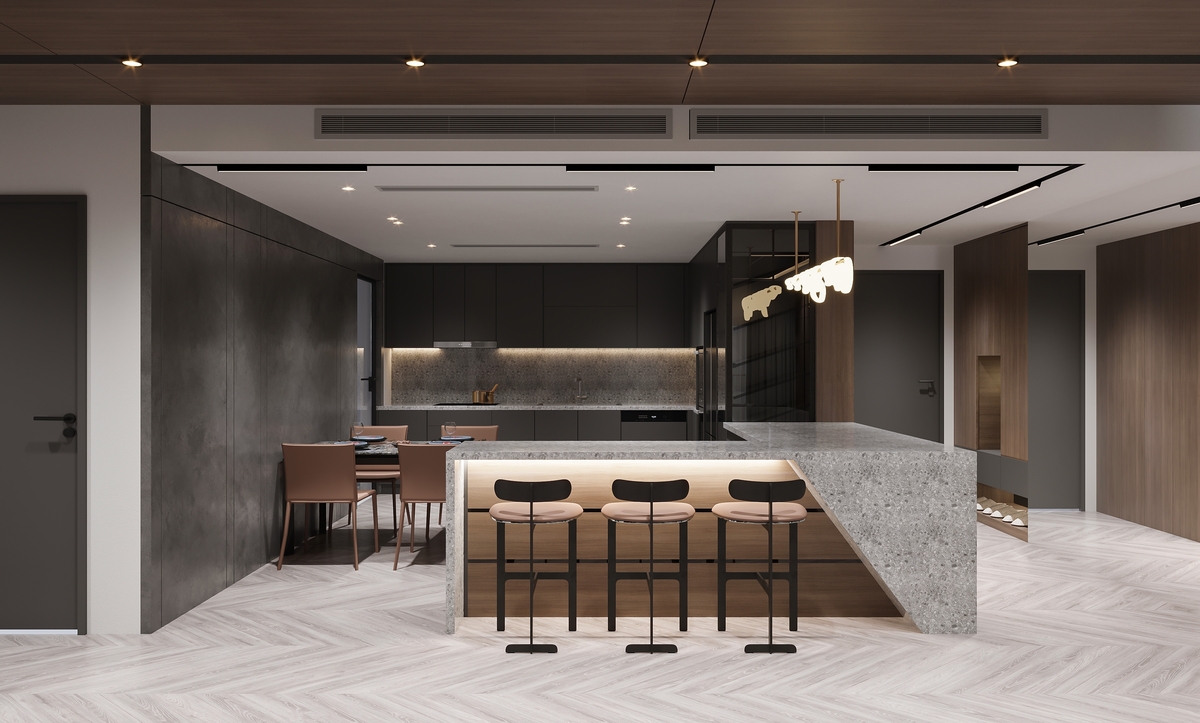
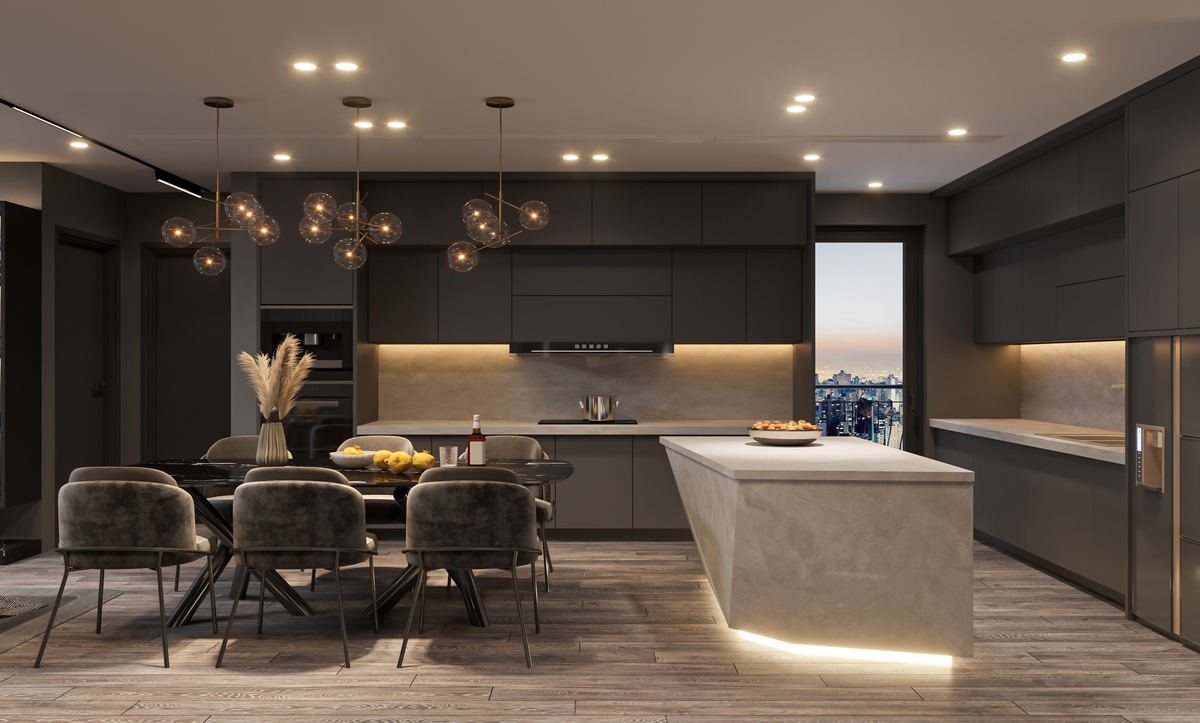
An open kitchen (American style) that flows into the living or dining room is one of the most effective ways to save space. By removing a non-structural wall, you combine two smaller rooms into one large, multi-functional "great room."
Using Islands as Dividers
Instead of a wall, use a kitchen island or a dining table with high chairs to act as a soft partition. This defines the separate functional areas while keeping the sightlines clear. This layout not only makes the house look larger but also encourages social interaction and a modern lifestyle.
Conclusion: Your Home, Reimagined
Creating a spacious home is not about having more square meters; it is about how you utilize the space you have. By focusing on light colors, strategic lighting, transparent materials, and multi-functional furniture, you can eliminate the feeling of being "squeezed" and replace it with a sense of luxury and freedom.
Interior design for small spaces requires a blend of creativity and discipline. Whether you are looking for a complete home renovation or just a few décor updates, these tips from Algedra Interior Design will help you turn your small house into a magnificent, open, and stylish home. Remember, simplicity is the key to elegance—keep your space organized, your colors bright, and your lighting layered to achieve the perfect look.
Contact Us
Reach out to our team today. We welcome your inquiries and look forward to assisting you with your home design needs.
FAQ
- What colors work best for small rooms? Light and neutral tones like white or soft beige maximize the sense of space.
- How do mirrors change a room? Mirrors create an illusion of depth by bouncing light throughout the area.
- What furniture helps save space? Multi-purpose items like sofa beds or nesting tables keep your floor area clear and organized.
- Why choose an open-concept kitchen? Removing walls creates a unified and airy environment for your home.
- How does lighting affect size perception? Layered lighting makes every corner bright and makes the room feel open.
If you are interested, please read these articles: