
Combining European interior styles with Middle Eastern architectural structures creates a unique visual impact. This approach merges the clean lines of Western decor with the structural richness of Eastern building traditions. In the field of interior design, this mix allows for spaces that feel historically significant yet thoroughly modern. By bringing together the grandeur of Arab structural forms and the simplicity of European furnishing, designers establish environments that communicate cultural depth. This guide details how to unify these powerful influences to form a cohesive, inviting, and luxurious interior.
1- Structural Features
Great interior design starts with the building itself. Middle Eastern architecture is famous for specific features like the arch, the dome, and the distinct courtyard. These elements provide a strong starting point for styling. When bringing European design into this setting, the objective creates a balance between historical forms and modern updates.
1.1. Highlighting the Arch
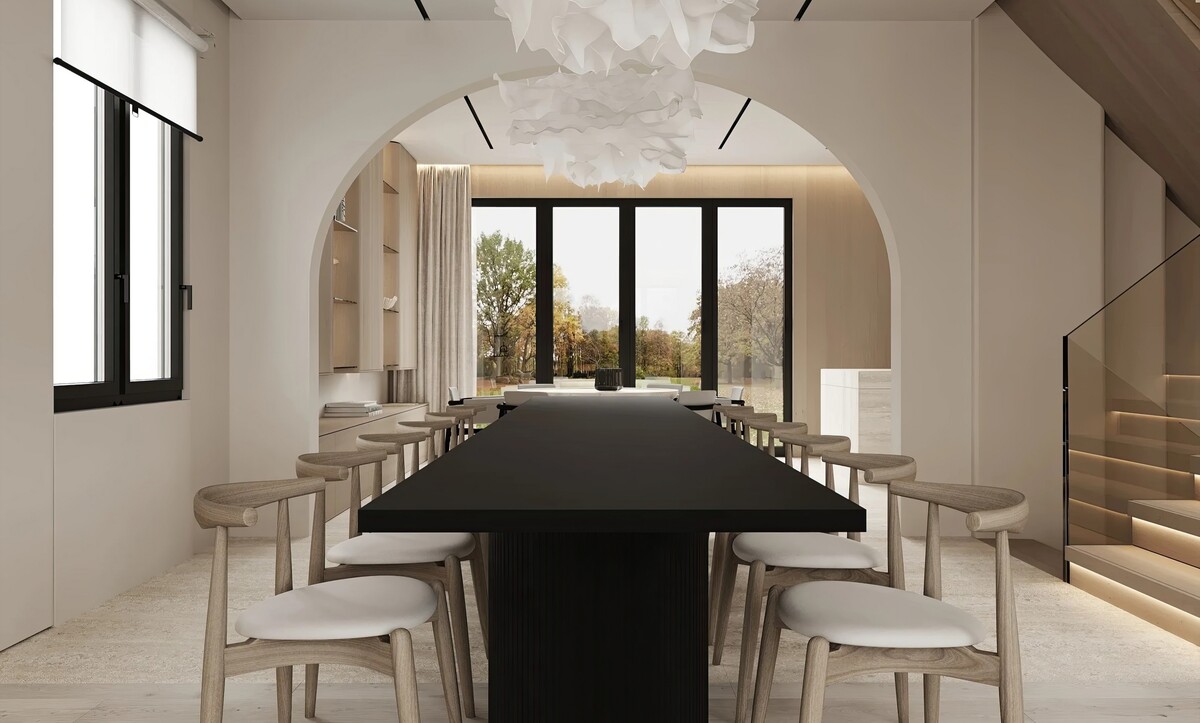
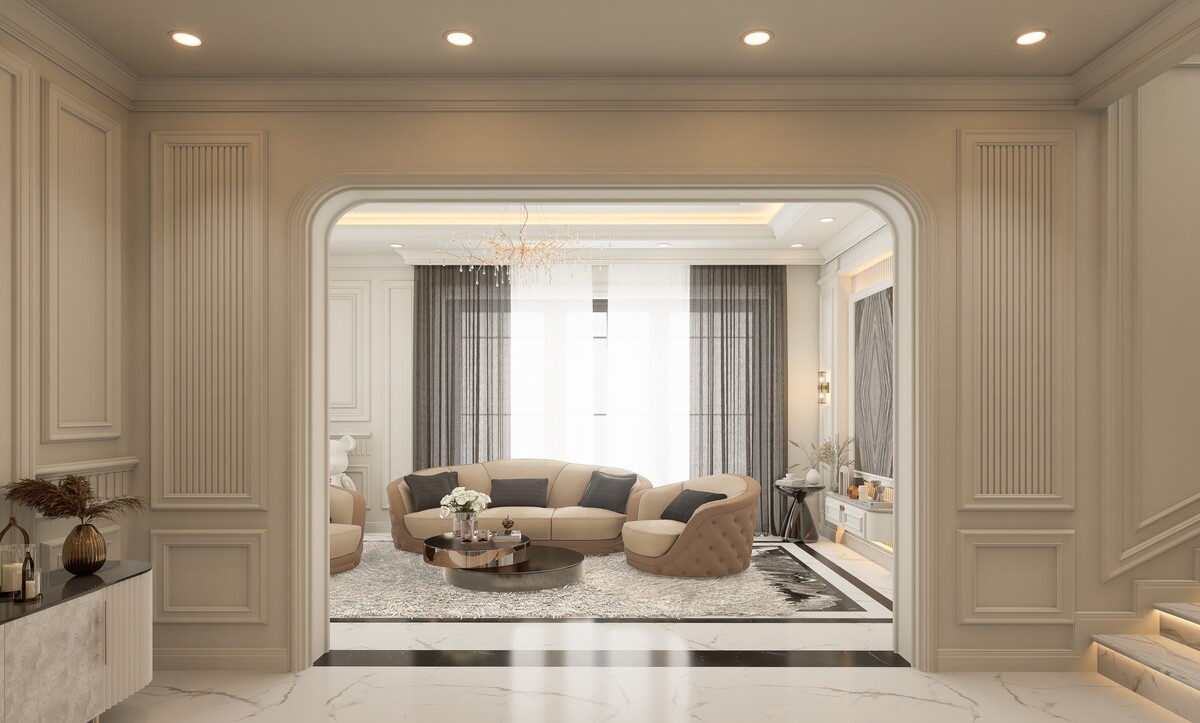
The arch stands as a primary feature of Middle Eastern structures. Whether pointed, horseshoe, or multifoil, arches dictate the movement within a home. In this integrated style, designers accentuate these arches by painting surrounding walls in white or neutral tones. This technique keeps the focus on the shape of the arch. It also aligns perfectly with Mediterranean inspired interior concepts, where light walls and natural shapes dominate. European minimalist furniture, known for straight lines and low profiles, fits well beneath these curves. The difference between the round arch and the linear sofa establishes a dynamic look.
1.2. The Courtyard as a Social Hub
Traditional Middle Eastern residences often organize around a central courtyard. This area offers privacy and a view of the sky. European design concepts update this space by styling it as an outdoor lounge. This architectural approach shares similarities with distinctive villa architecture in Bahrain, where the integration of indoor and outdoor privacy is paramount. Using weather-resistant furniture with sleek shapes changes the courtyard into an extension of the indoor area. Large glass doors can replace heavy wooden ones to connect the inside with the outside. This connection brings natural light into the home, a valued feature in both design traditions.
1.3. Vertical Volume and Openness
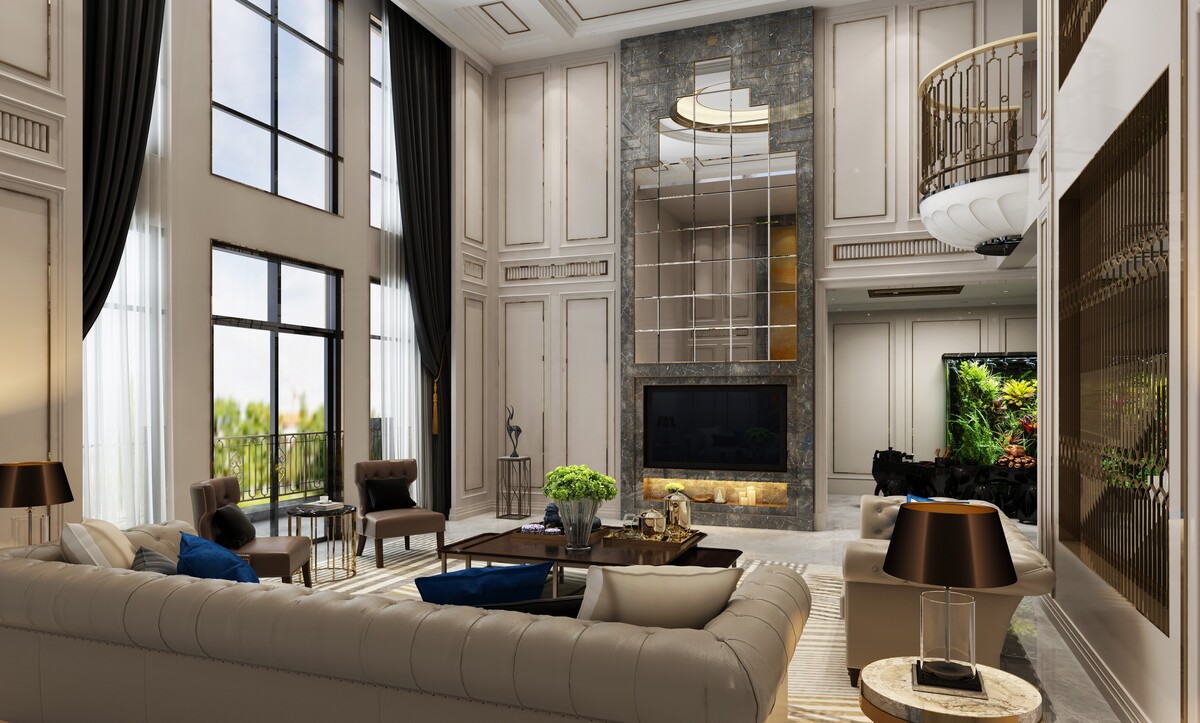
Middle Eastern buildings often include high ceilings to manage heat and add grandeur. European trends favor open layouts that utilize this height. Removing partitions helps the space feel airy. Long pendant lights draw the eye up, celebrating the height of the room while introducing a Western industrial touch.
2- Balancing Stone and Wood
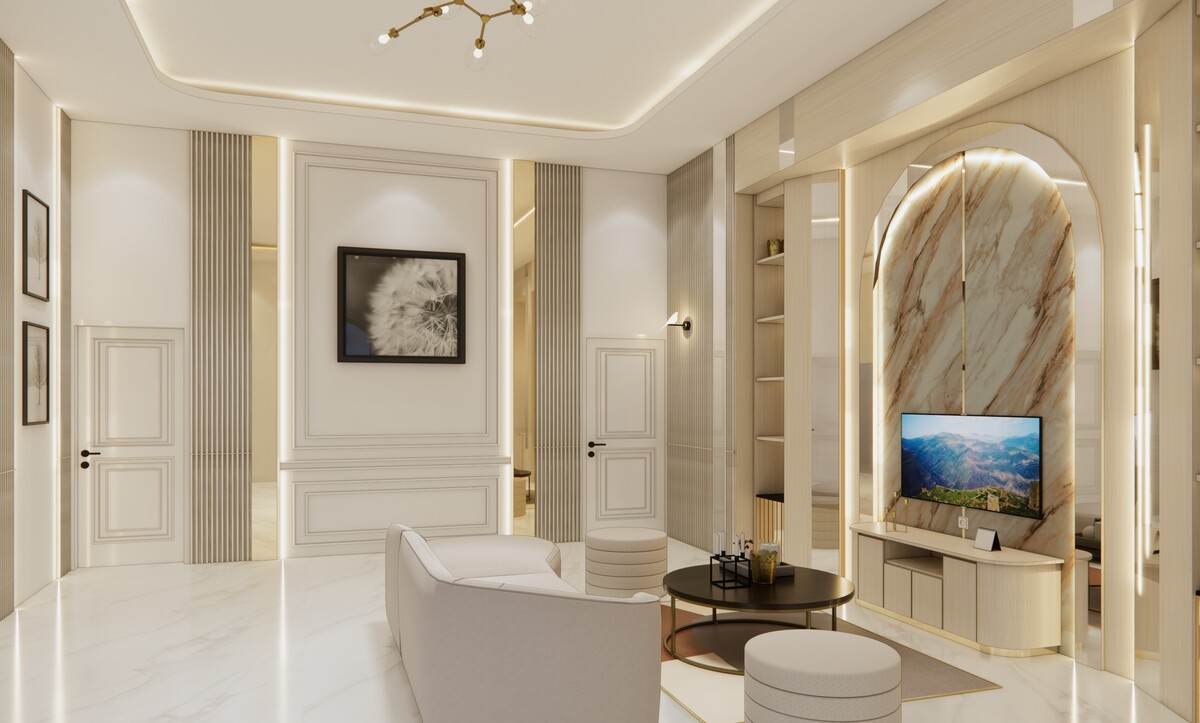
Materials set the tone for the environment. Middle Eastern interiors historically use cool materials like stone, marble, and tile. European design, especially from northern regions, adds warmth through wood and textiles. Mixing these two involves layering textures carefully.
2.1. Marble Meets Matte
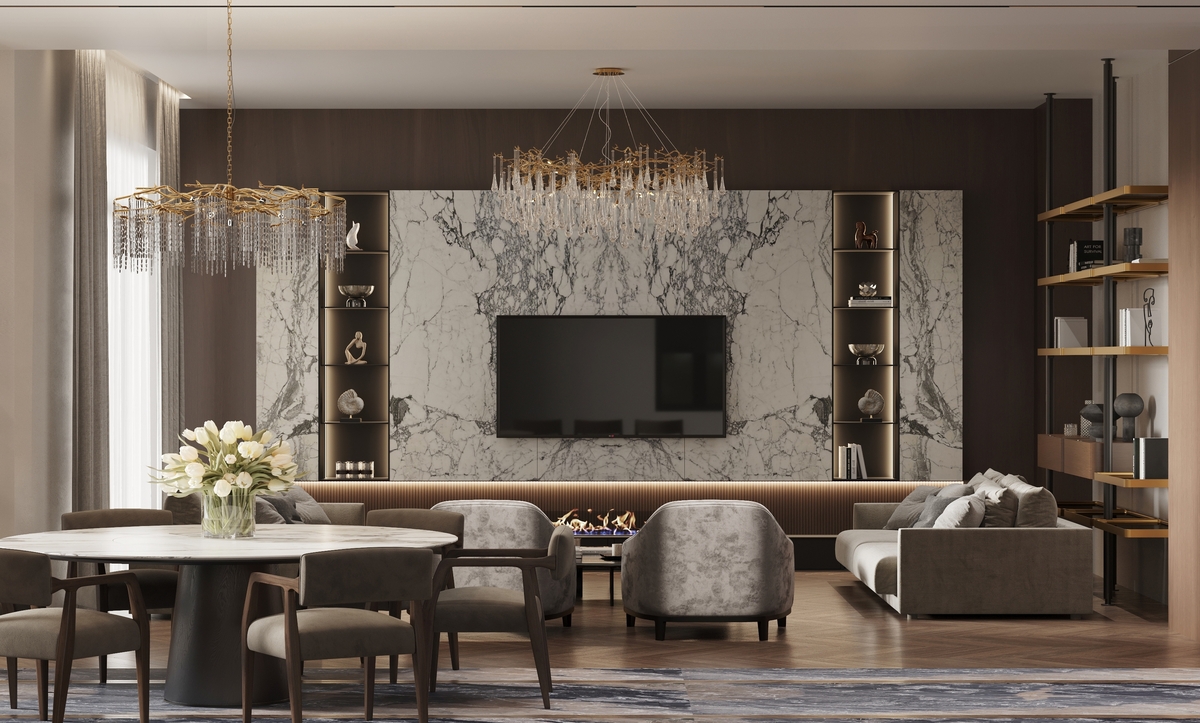
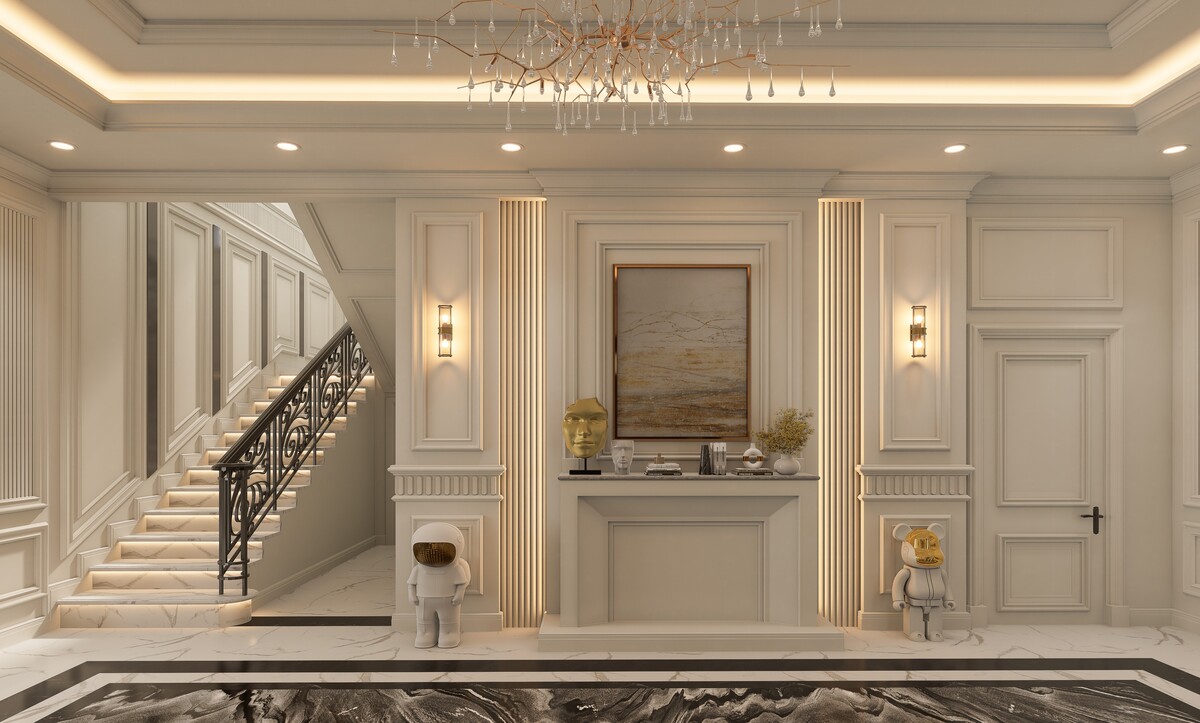
Polished surfaces like marble flooring appear frequently in luxury Middle Eastern homes. To balance this with European aesthetics, designers place these glossy floors next to matte finishes. This contrast is a key component of opulent interior standards in Kuwait, where high-gloss finishes often meet textured walls for a sophisticated look. Raw concrete walls or matte plaster introduce a modern, urban edge. Placing the rich, veined marble against the simple, textured plaster adds depth. This combination highlights a modern love for authentic, raw beauty.
2.2. Wood and Metal Interaction
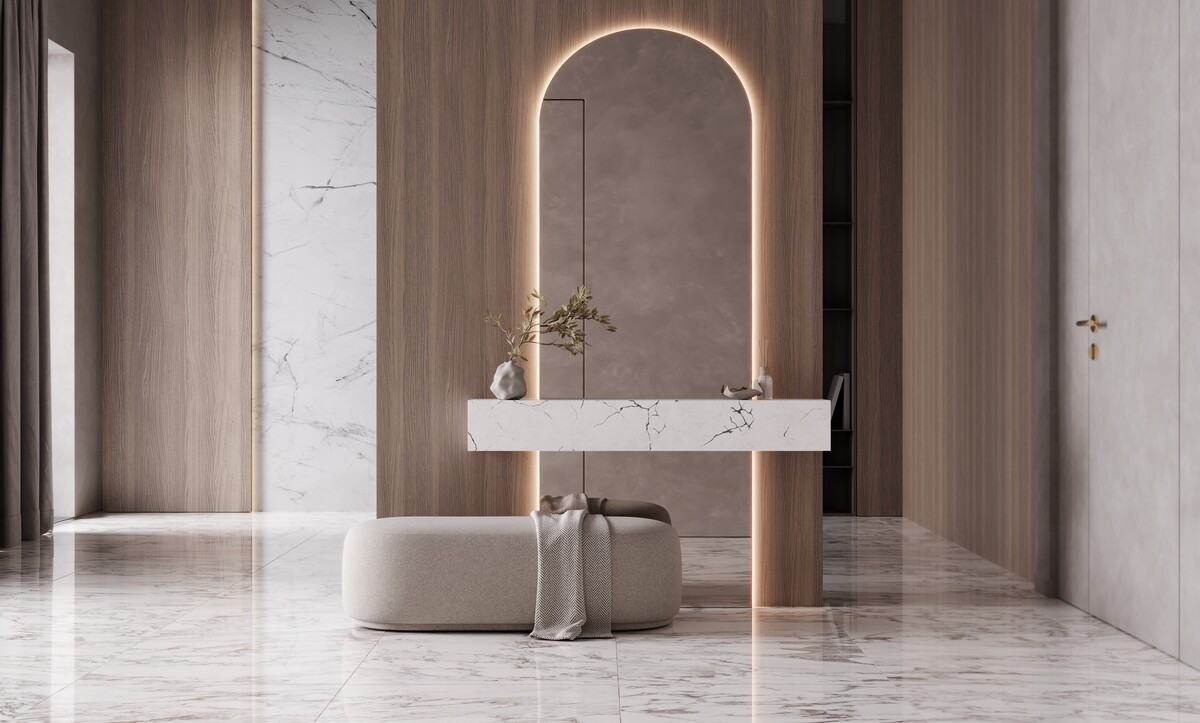
To warm up the stone, European design brings in wood. Light oak, walnut, and ash introduce organic warmth that smooths out the mineral-heavy palette. Wooden wall paneling, featuring simple geometric shapes, connects the styles. Metals also play a key role. Middle Eastern design often includes gold and brass, while European modernism uses blackened steel or brushed nickel. Grouping these metals creates a sophisticated, layered appearance.
3- Earthy Tones and Airy Neutrals
Color establishes the atmosphere of a room. Middle Eastern design is known for vibrant colors like deep blues, terracottas, emerald greens, and golds. European design often prefers neutrals such as whites, grays, and greiges. A successful mix uses a palette that includes both spectrums.
3.1. The Neutral Foundation
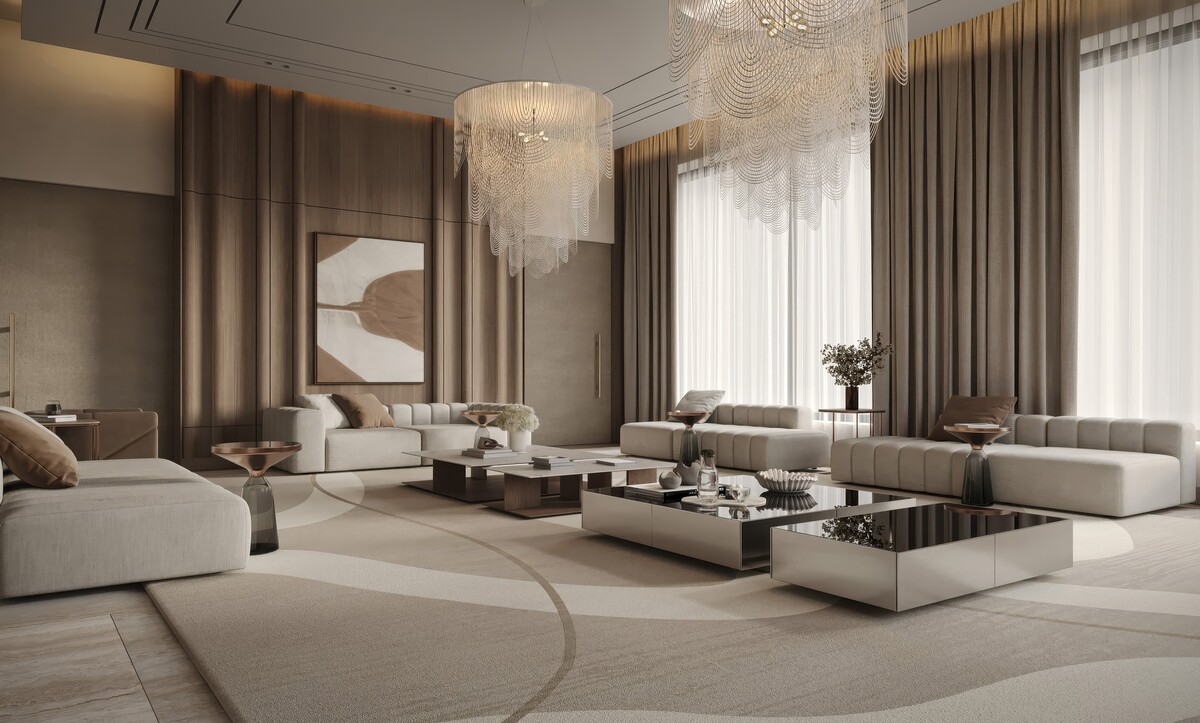
Starting with a neutral base helps architectural details stand out. White or cream walls create the airy feeling of a Mediterranean villa or a Parisian flat. This neutral background captures light and makes the space feel large. It also offers a calm setting for bolder colors.
3.2. Deep Tones for Emphasis
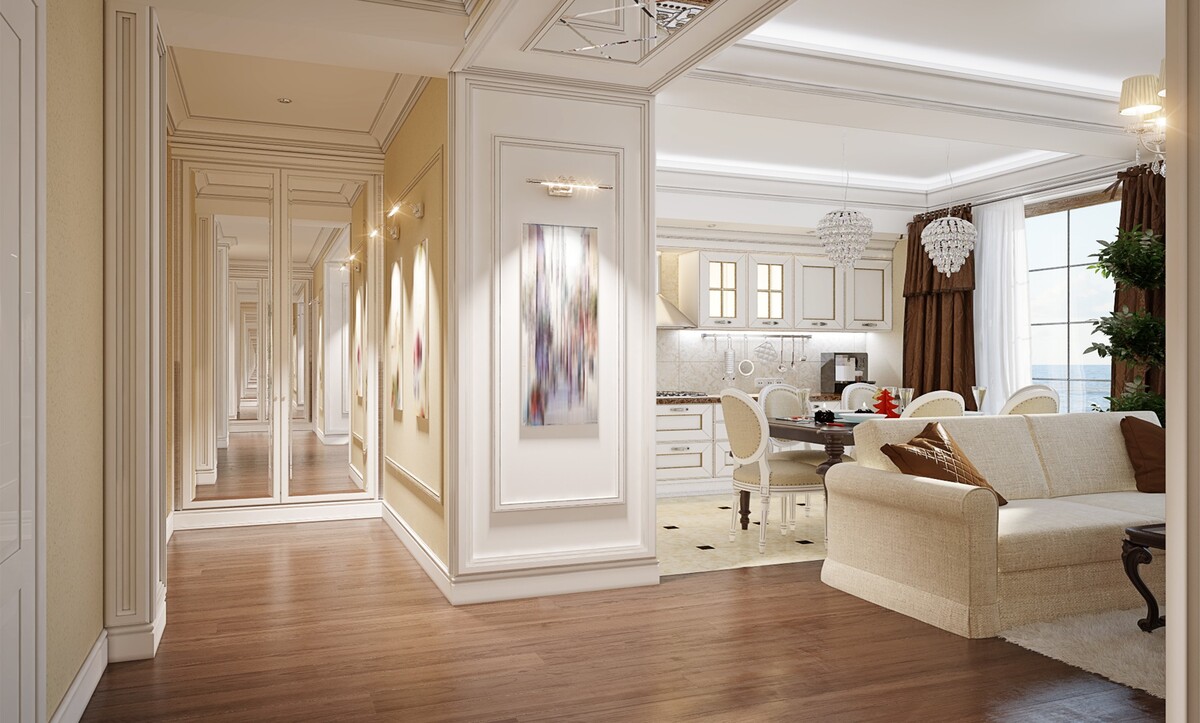
Against a neutral wall, deep colors act as strong anchors. An indigo velvet chair or an emerald green rug connects to the vibrant tiles found in Middle Eastern history. These colors add richness. European influence guides the application: color appears in specific, curated blocks rather than covering the whole room.
3.3. Metallic Highlights
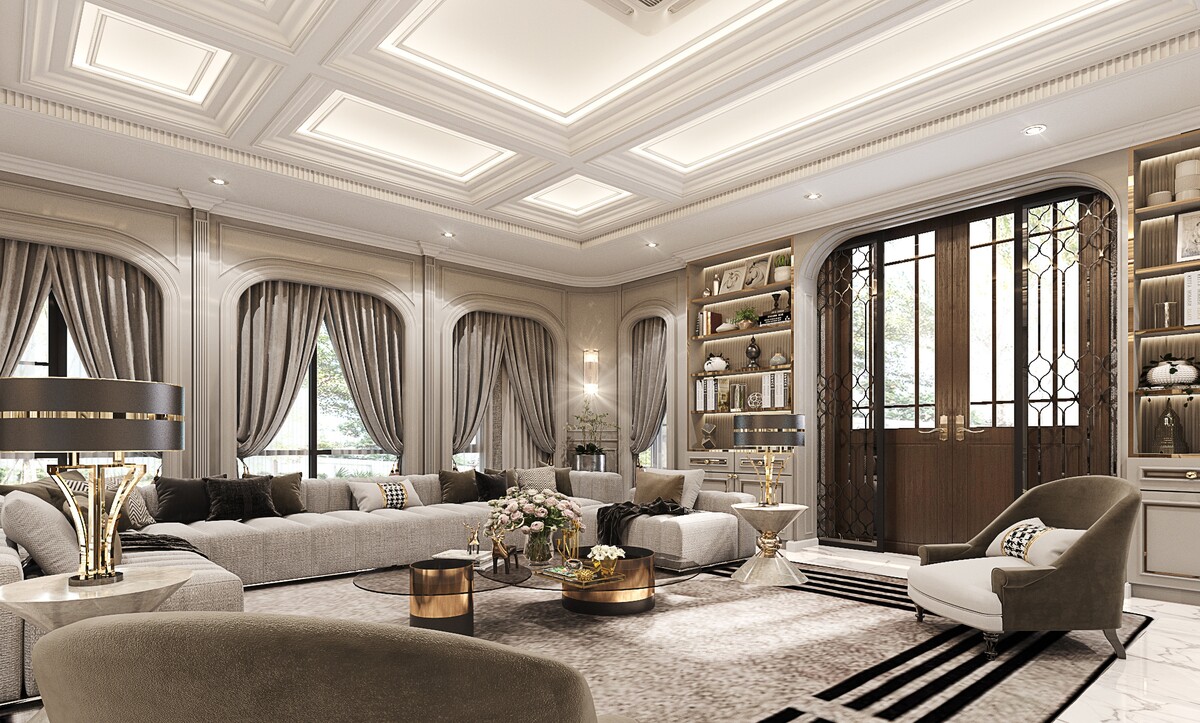
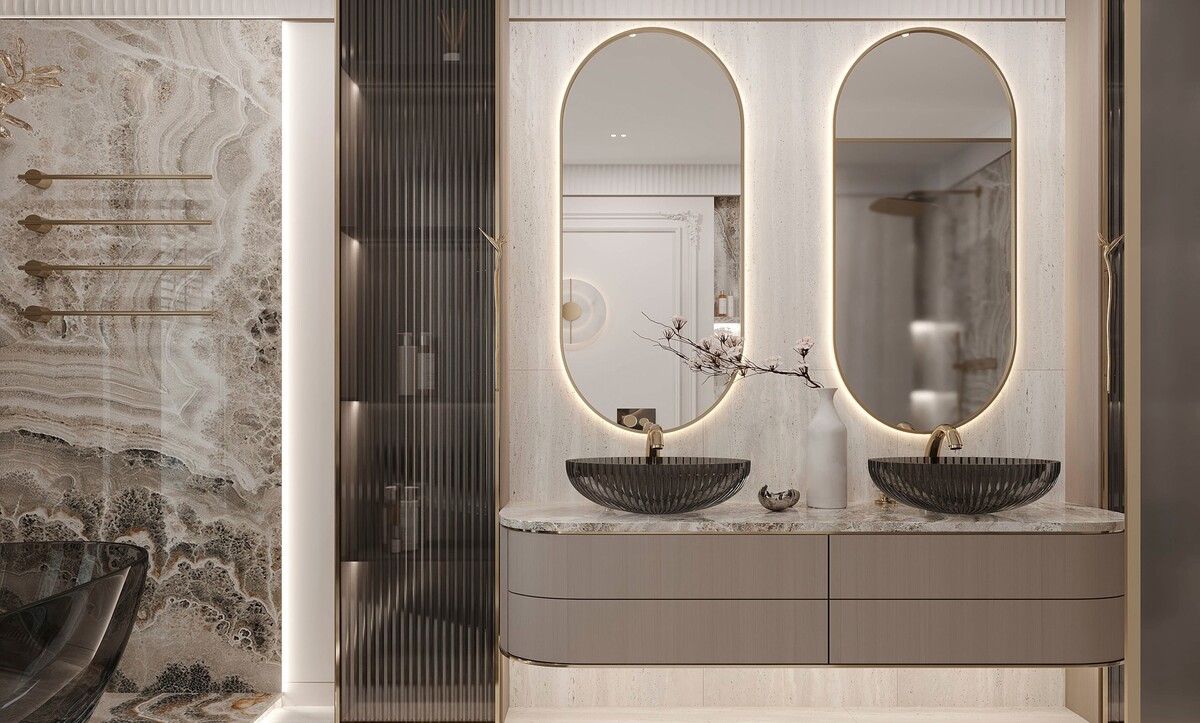
Gold and copper occupy a special place in Middle Eastern decor. To modernize this, the style uses metallics as highlights. A thin gold frame on a mirror, a copper vase, or brass details in a floor add luxury. These metallic parts catch light and add a warm glow, keeping the overall look polished.
4- Fabrics and Upholstery
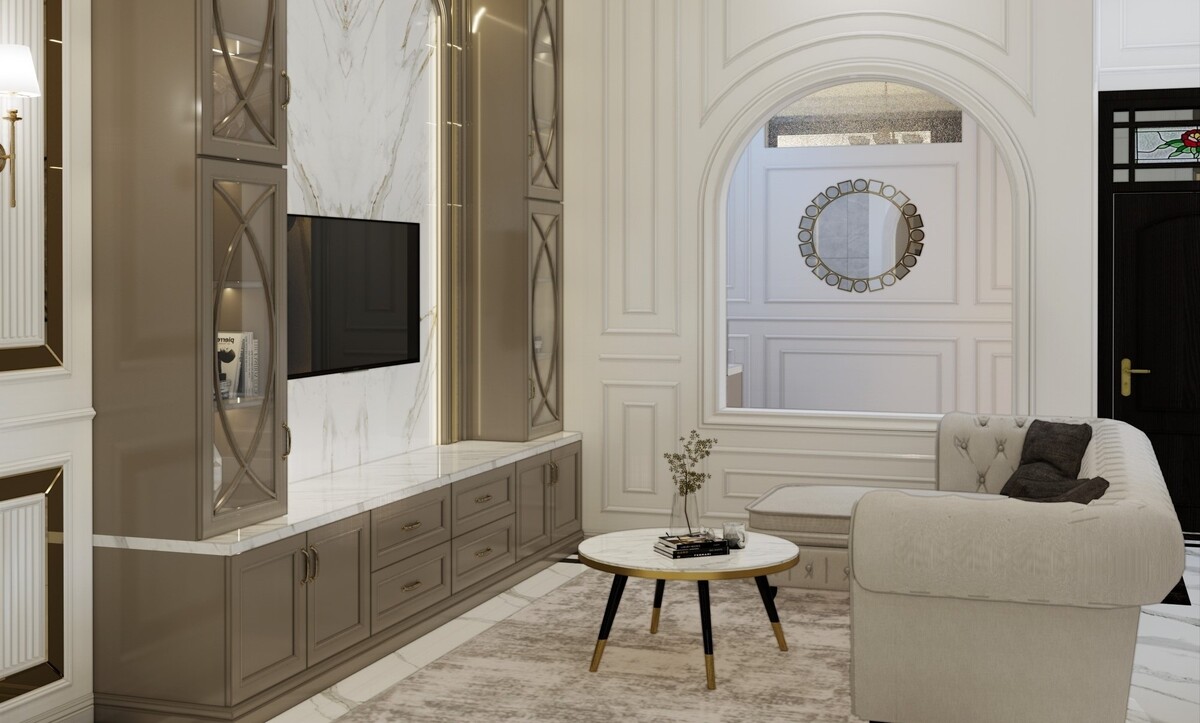
Textiles add ease and softness to structural rigidity. The meeting of East and West becomes physical in the choice of fabrics.
4.1. Rugs
Persian and Turkish rugs stand as artistic achievements of Middle Eastern culture. In this interior style, these rugs act as art. Placing a vintage, hand-knotted rug on a polished concrete or light wood floor isolates the pattern. This placement follows the European gallery approach, where every object has space.
4.2. Linen and Velvet
European furniture often uses plain, high-quality linens, wools, and leathers. A sleek leather sofa creates a strong contrast next to a side table with mother-of-pearl inlay. For windows, sheer linen curtains let light filter through, creating a soft effect similar to a mashrabiya but with a lighter feel. Heavy velvets work well for cushions or throws, adding a layer of richness that fits the Middle Eastern setting.
5- Illuminating the Architecture
Lighting in the Middle East handles harsh sunlight by filtering it to create shadow. European design uses light to define areas.
5.1. Modern Screens
The mashrabiya, a traditional screen, offers privacy and light control. Designers update this element using materials like laser-cut metal or milled wood. These screens can act as dividers in an open European layout, casting geometric shadows that move throughout the day. This play of light adds a decorative element to the room.
5.2. Sculptural Fixtures
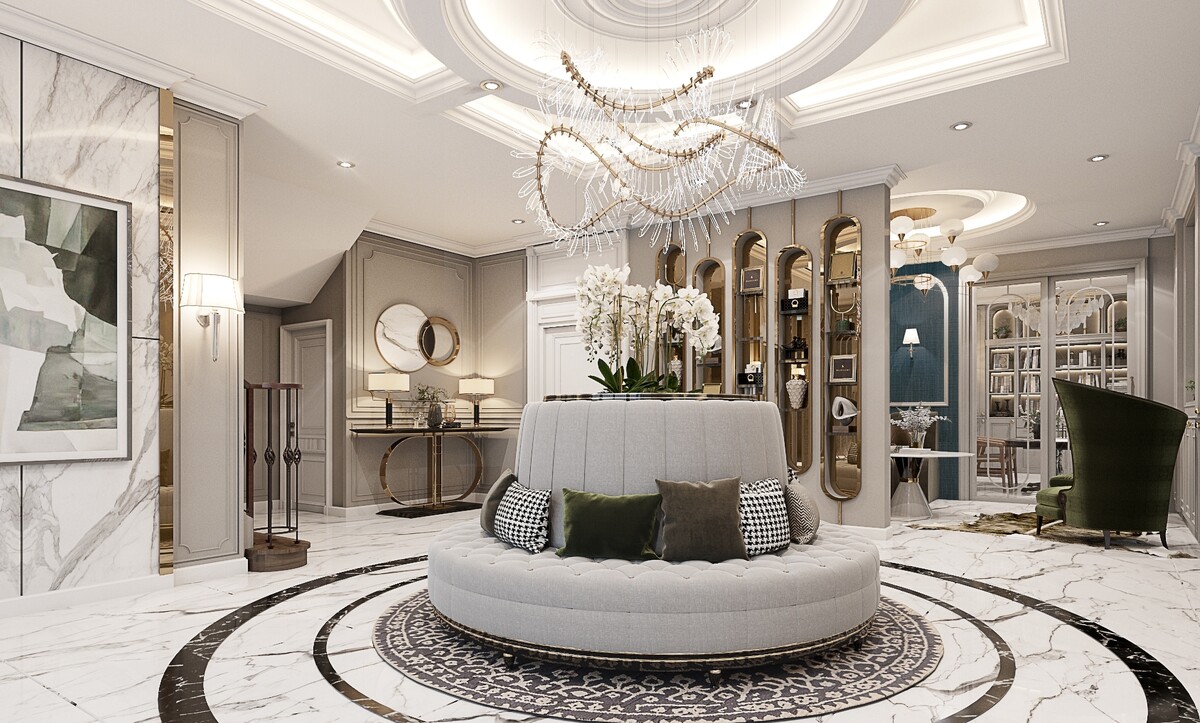
While architectural lighting remains subtle, decorative lighting offers a chance for expression. A group of glass pendants can mimic the shape of traditional lanterns while showing a sleek finish. Floor lamps with clean, arched lines match the architectural arches. Placing light in specific corners creates intimate areas for conversation.
6- Pattern and Geometry
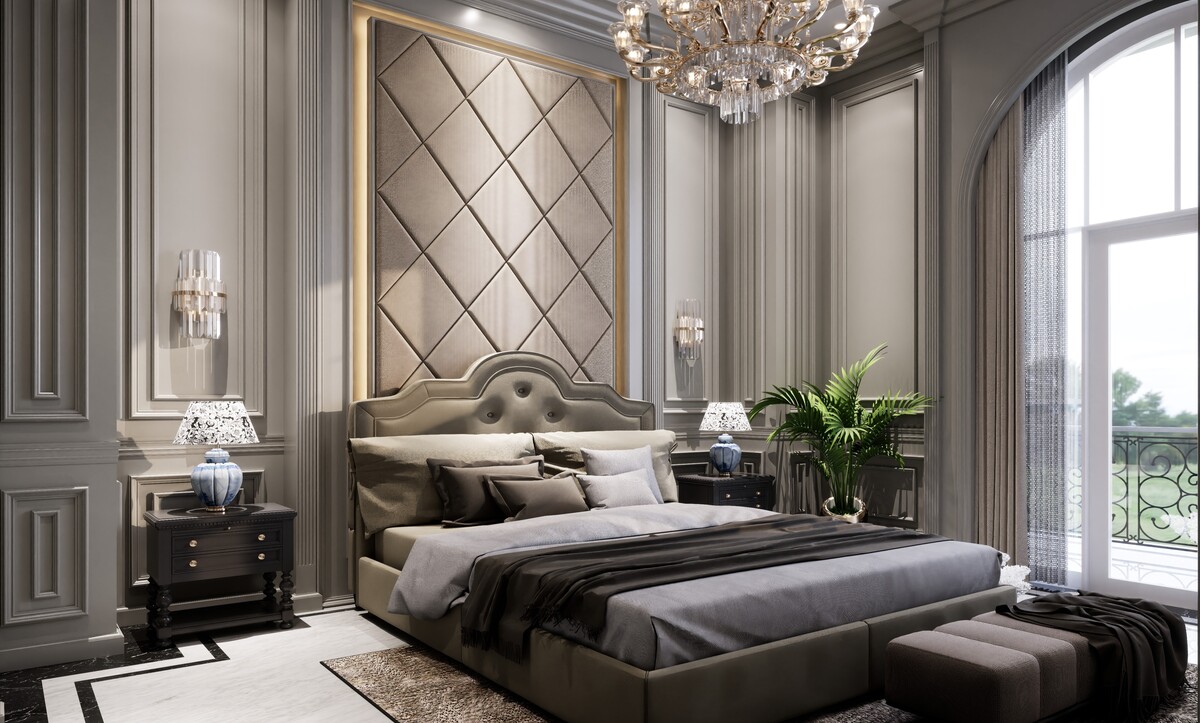
Pattern acts as a primary language in Middle Eastern design. Complex geometric shapes and calligraphy cover walls and ceilings. European design uses patterns with more reserve, often favoring stripes or solids.
6.1. Playing with Scale
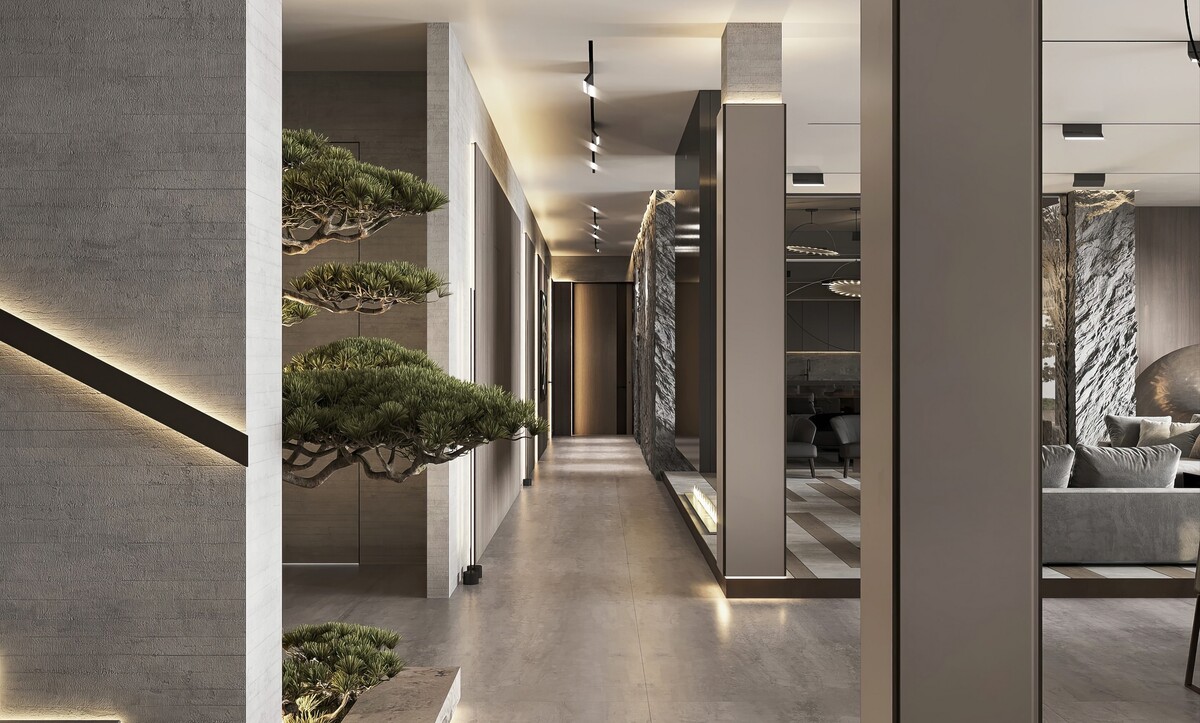
To mix these styles, designers adjust the scale. Enlarging a traditional geometric pattern to a huge size and applying it to a wall creates a bold graphic statement. This contemporary approach respects the intricate Arabesque design aesthetic while adapting it for modern minimalist sensibilities. Alternatively, keeping patterns traditional but using a monochromatic palette—white on white—softens the effect. This technique keeps the beauty of the geometry while matching the monochromatic preferences of European minimalism.
6.2. Calligraphy as Abstract Art
Arabic calligraphy is visually striking. In this interior style, calligraphy serves as abstract art. Large canvases with sweeping ink strokes act as focal points. This respects the cultural weight of the written word while treating it with the visual style of abstract art found in Western galleries.
7- Furniture Selection: The Meeting Point
Furniture choices determine how people use a space. The Middle Eastern majlis focuses on low, group seating. European lounges often prioritize individual seating and formal layouts.
7.1. The Updated Sitting Area
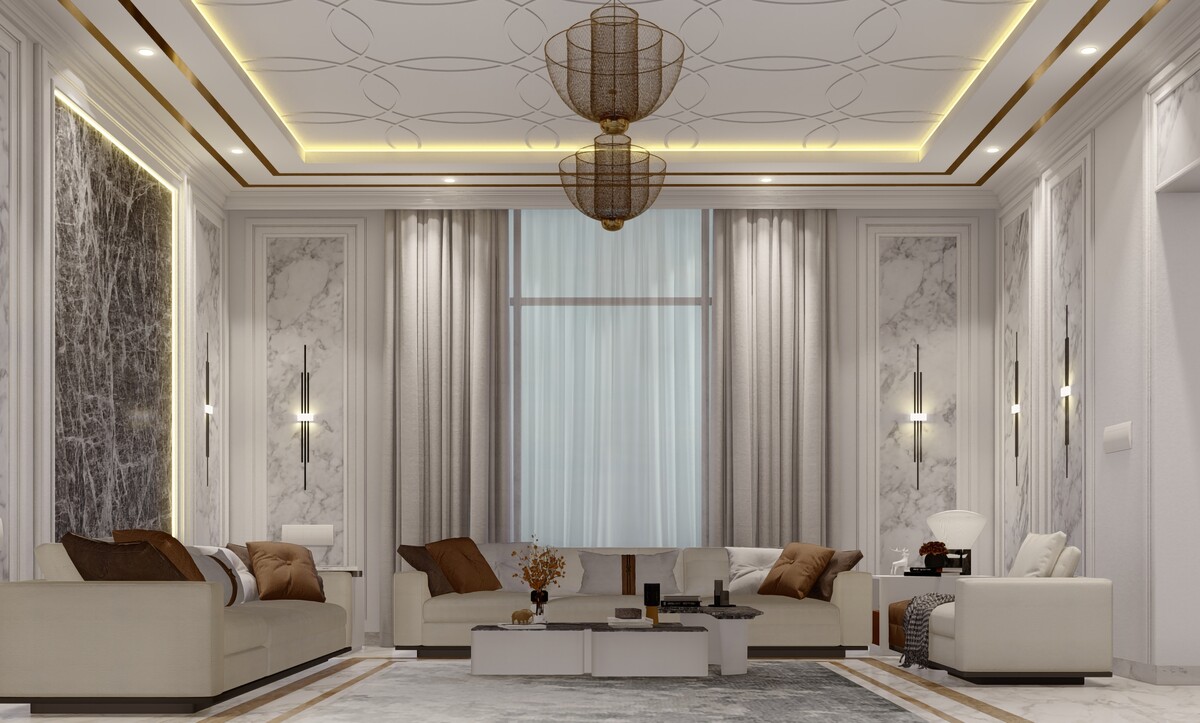
A mixed sitting room might feature a low-profile modular sofa, wide and deep, encouraging the group relaxation of a majlis. The sofa itself would show the clean lines and fabric of Italian design. Nesting coffee tables accompany this, offering flexibility for different social groups.
7.2. Mixing Eras
Combining eras and origins creates a curated appearance. A mid-century modern chair sits well next to an inlaid Syrian chest. The contrast between industrial plywood and handcrafted wood highlights the beauty of both. This eclectic approach shows a worldly sophistication and an appreciation for global design history.
8- Flora and Water
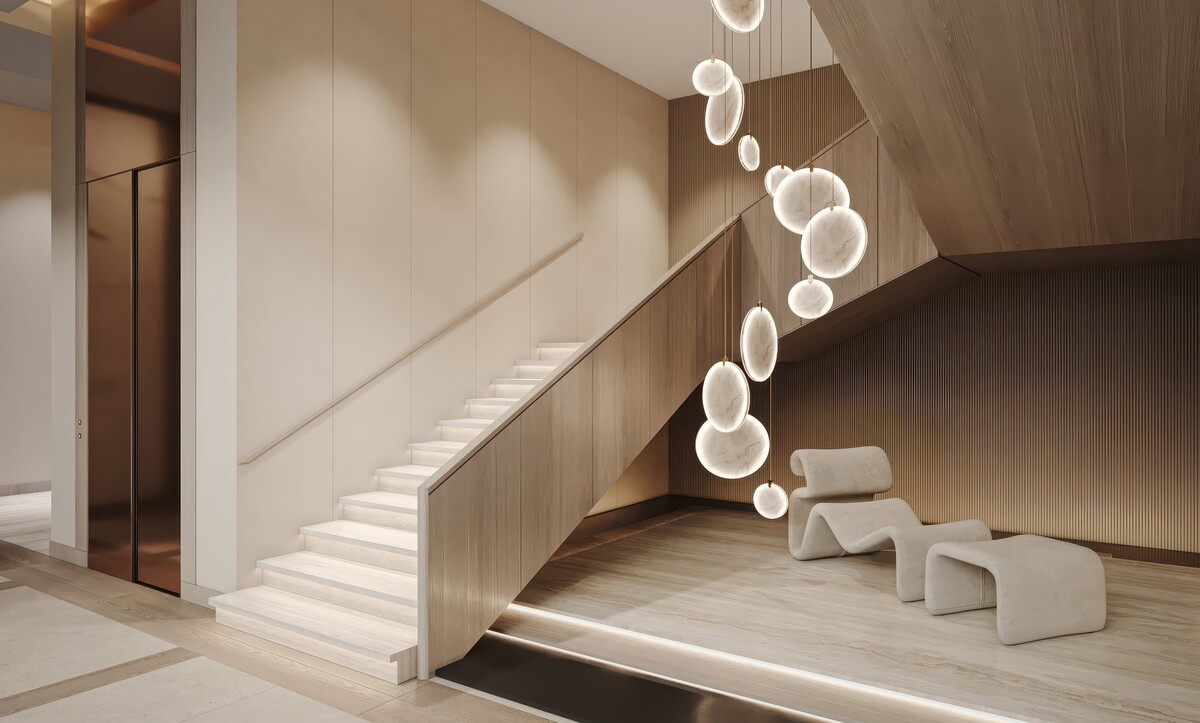
Both cultures value nature. In arid landscapes, a garden represents paradise. In Europe, bringing the outside in is a major trend.
8.1. Greenery as Decor
Adding large potted plants, such as olive trees or palms, connects the inside to the landscape. Placing these plants in simple, geometric pots bridges the rustic and the modern.
8.2. The Sound of Water
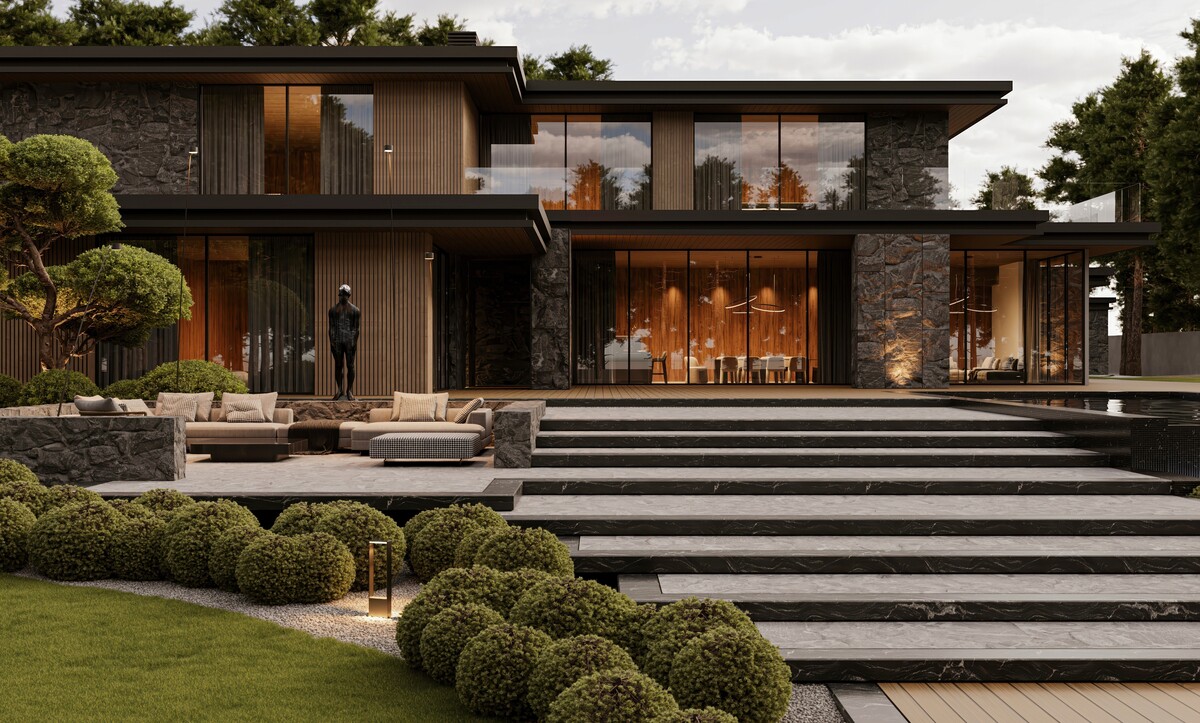
Water sounds instantly calm the mind. A small, minimalist indoor fountain serves as a modern version of the traditional courtyard fountain. The presence of water cools the air and adds a sensory layer, increasing the feeling of a quiet escape.
Creating the Final Atmosphere
Mixing European design with Middle Eastern architecture relies on balance. The aim is to locate the shared ground between two rich traditions. The structural power and detailed patterns of the East provide a great stage for the curated, linear, and textural style of the West. By focusing on light, material contrast, and the coexistence of patterns and plains, designers create spaces that stand out. Achieving this complex integration often benefits from professional management; engaging time saving turnkey interior solutions guarantees that every detail, from the structural arch to the final velvet cushion, aligns perfectly. These interiors offer the best of both worlds: the warmth and history of the Middle East and the openness of Europe. This combination results in a style that welcomes residents into a place of beauty, history, and calm.
Contact Algedra for Your Interior Design Project
Realize this distinct style in your property with Algedra. Our expert team specializes in blending European elegance with Middle Eastern architectural depth. We handle every aspect of the design and build process to ensure your home looks perfect. Visit our contact page or call us today to discuss your vision.