

Every studio meets the room eventually. A salon in a new Istanbul development, assembled at considerable cost, every surface polished, every piece bearing a recognisable name, and the whole composition somehow leaves its visitor cold. Standing in it, the distinction becomes obvious: expense is a figure on a page, luxury is something a person feels in the body. The two travel together often enough to be confused, and they remain entirely separate qualities. Our design team has spent years working on both sides of the line across Istanbul, the Aegean coast and the Gulf, and the pattern repeats with a consistency that has stopped surprising us. Our colleagues in Dubai set out the philosophy in full when they examined what actually separates the two ideas in a room; what follows applies that thinking to the particular conditions of the Turkish market.
The question matters commercially as much as aesthetically. Turkish homeowners and foreign buyers alike price interiors by the square metre, compare quotations line by line, and often arrive at a first meeting with a figure already fixed. Understanding which parts of that figure buy luxury and which parts merely buy expense is the single most valuable piece of knowledge a client can hold.
Expense performs at the door, luxury unfolds over years
An expensive room delivers its entire argument in the first three seconds. The chandelier oversized for the ceiling height, the marble book-matched for maximum drama, the gilding placed at every sightline — the room says everything it has to say immediately and keeps nothing in reserve.
A luxurious room behaves in the opposite manner. The door closes in silence on concealed hinges. The countertop edge has been eased to a softness the hand finds before the eye does. The skirting sits flush against the plaster as though the two grew together. Our clients tend to notice these qualities in month six rather than on handover day, and those are the rooms they still describe fondly a decade later.
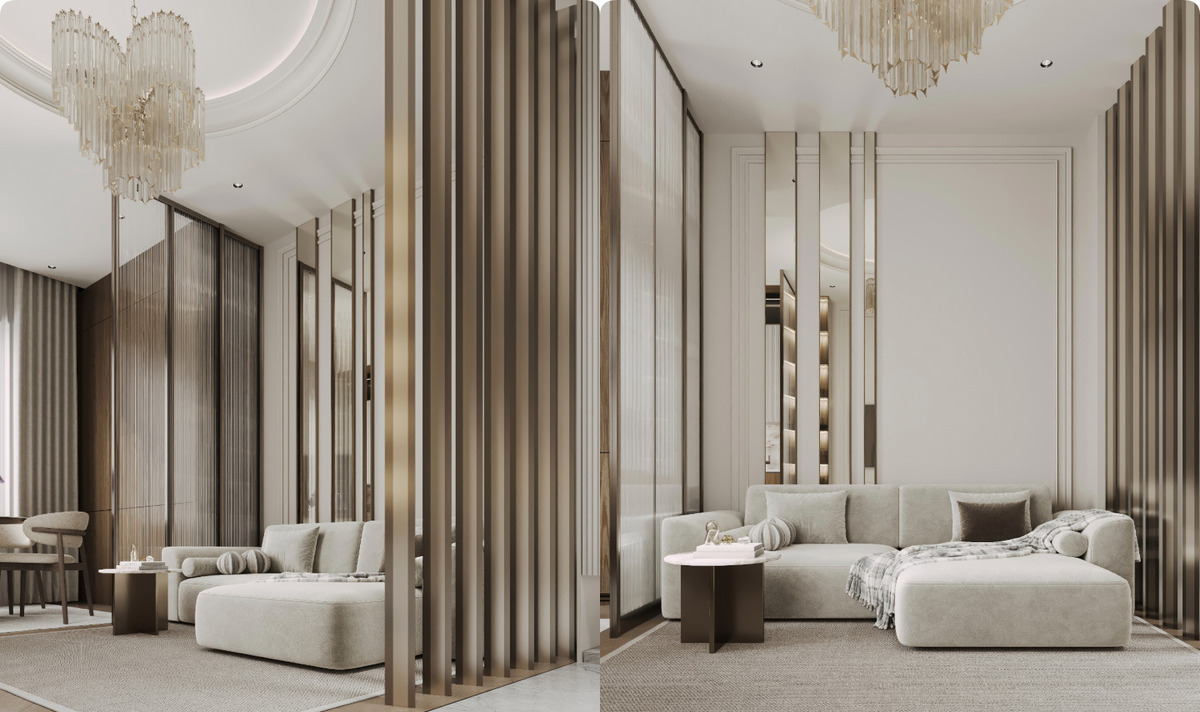
Craft is the actual dividing line
Price records what a material cost. Craft records what was done with it afterward.
A slab of premium marble laid with misaligned veining remains costly stone poorly served. A modest Turkish travertine, honed to a velvet finish and laid so its movement flows in one direction across the whole floor, achieves genuine luxury for a fraction of the figure. The same arithmetic governs joinery: the shadow gap held to a consistent three millimetres around every wardrobe door, drawers gliding closed on dampened runners, veneer matched so the grain travels unbroken across an entire wall of cabinetry.
Our advice to clients working within a defined budget stays constant. Put the money into the bones — the joinery, the stone, the lighting infrastructure — and let the decorative layer follow later.
Turkey's craft advantage is real and underused
Foreign clients frequently arrive assuming that luxury means importing everything, and the assumption costs them money while lowering the result.
Turkey holds a genuine manufacturing depth that few markets can match: the furniture workshops of İnegöl, the textile mills around Bursa, marble quarried domestically in Afyon, Marmara and Muğla, copper and brass workshops that still train apprentices the old way. A bespoke sofa built to exact dimensions by a Turkish atelier, upholstered in Turkish linen, frequently outperforms an imported catalogue piece at similar cost — because it fits the room it was made for. Our teams specify this way throughout our luxury villa interiors in Turkey projects, and the difference shows most clearly in the pieces that were measured rather than ordered.
Imported furniture has its place, particularly for signature items. Using it as a default strategy simply exports budget that Turkish craft would have converted into better work.
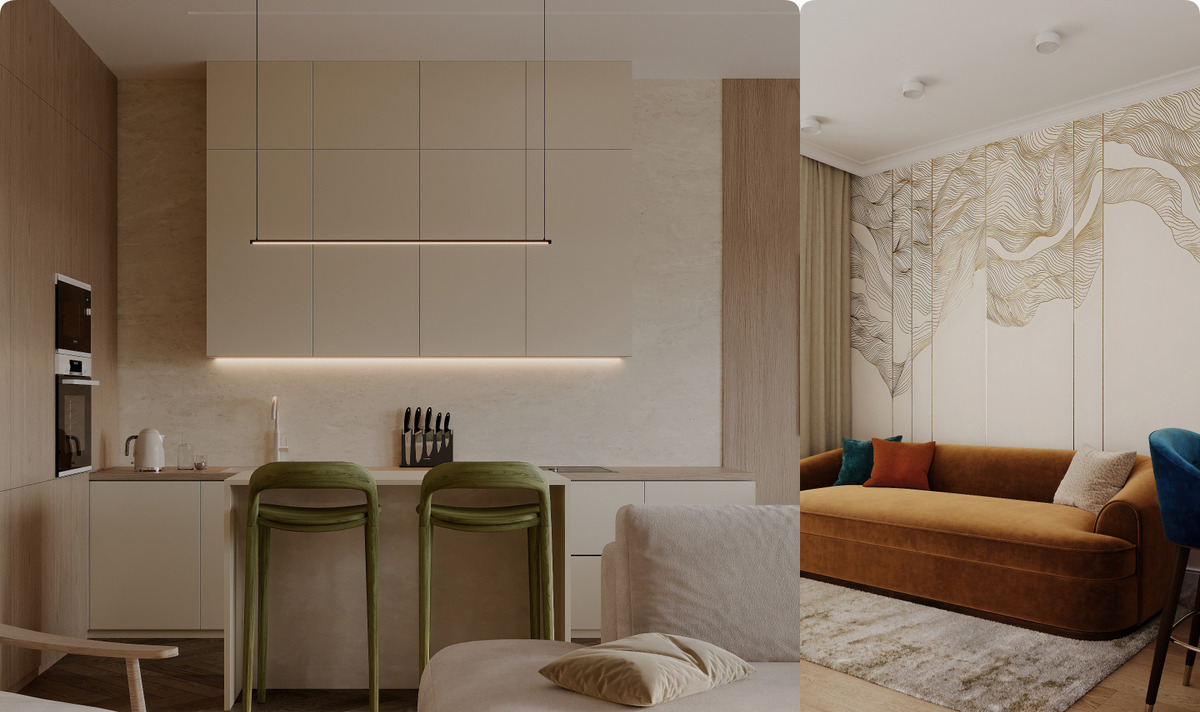
Proportion costs nothing and determines everything
The strongest evidence that luxury and expense operate as separate currencies arrives through proportion: how a sofa relates to the wall behind it, how a door height relates to the ceiling above it, how furniture holds the floor while leaving generous passages of open space.
A correctly proportioned room built from honest mid-range materials will outclass a badly proportioned one dressed in rare stone every time, because the eye reads harmony faster than it reads price. Our designers resolve the volumes first — ceiling datums, door heights, the rhythm of solid and void — long before anyone opens a finish sample book. Clients describe the result as effortless, which is the word people reach for when they sense discipline without being able to name it.
Reading a quotation for what it actually contains
Turkish interior quotations are usually presented as a price per square metre for turnkey delivery, and the format hides more than it reveals.
Two proposals at the same rate can differ enormously in what they buy: the thickness of the stone, the grade of the plywood carcass behind the cabinet door, whether the electrical layout was designed or simply repeated from the previous flat, how many site visits the designer will actually make. Clients who understand how interior design is costed in Istanbulask far better questions in the first meeting, and they end up with more luxury per lira as a direct result.
The most useful question a client can ask about any line item: what happens to this in year five?
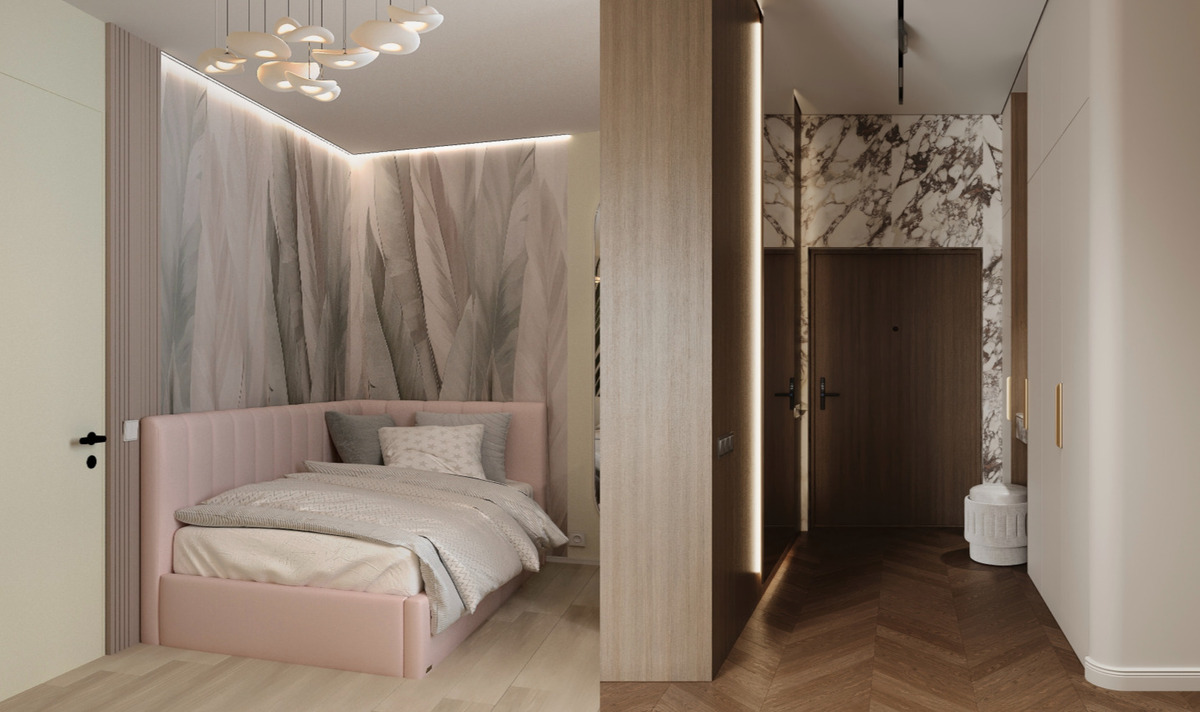
Material honesty over material performance
Luxury materials carry biographies. Marble quarried from beds that have supplied builders for centuries, walnut seasoned for years before a board is cut, hand-blown glass from workshops passing technique between generations.
An expensive interior can display the same categories of material while telling no story whatsoever — anonymous stone, indifferent timber, metalwork ordered from a catalogue rather than commissioned from a workshop. Our specifiers visit the quarry and the mill for exactly this reason, choosing slabs and veneers by eye. A client who can name the origin of the wall behind the dining table owns something no invoice conveys.
The honest-material principle extends downward through the budget as well. Real oak veneer beats printed oak laminate at every price point, and solid brass beats brass-plated steel from the first month onward.
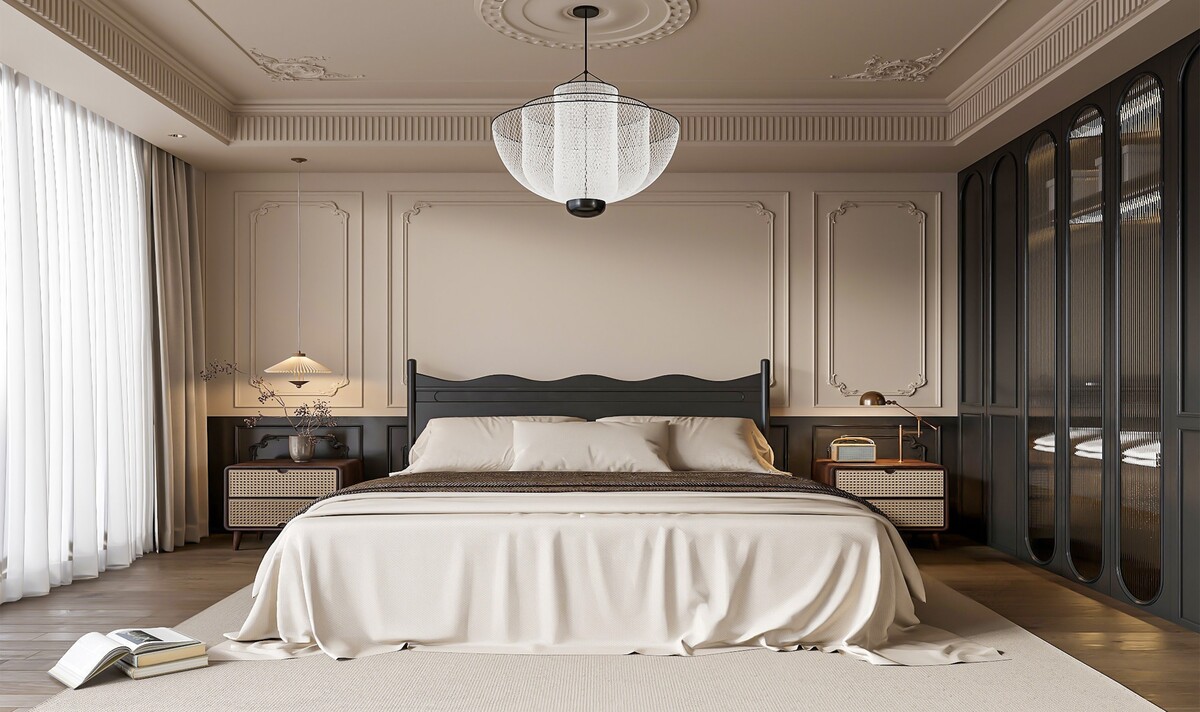
Comfort is the quality expense forgets
The showroom-perfect room commits the one error luxury never forgives: it asks its occupants to behave.
Genuine luxury seats a guest in a sofa deep enough for a third hour of conversation, places the reading chair beside a lamp warmed to the colour of early evening, and lays wool underfoot where bare feet land first in the morning. Hotels understood the principle long before the residential market caught up, and the best of them feel simultaneously grand and forgiving. Our hospitality and hotel interiors teams work to that standard constantly, and the lessons travel straight back into private homes.
A room a family hesitates to use is an expense. A room that improves the day of everyone who walks into it is a luxury, whatever either one cost.
Bespoke means interpreted, not customised
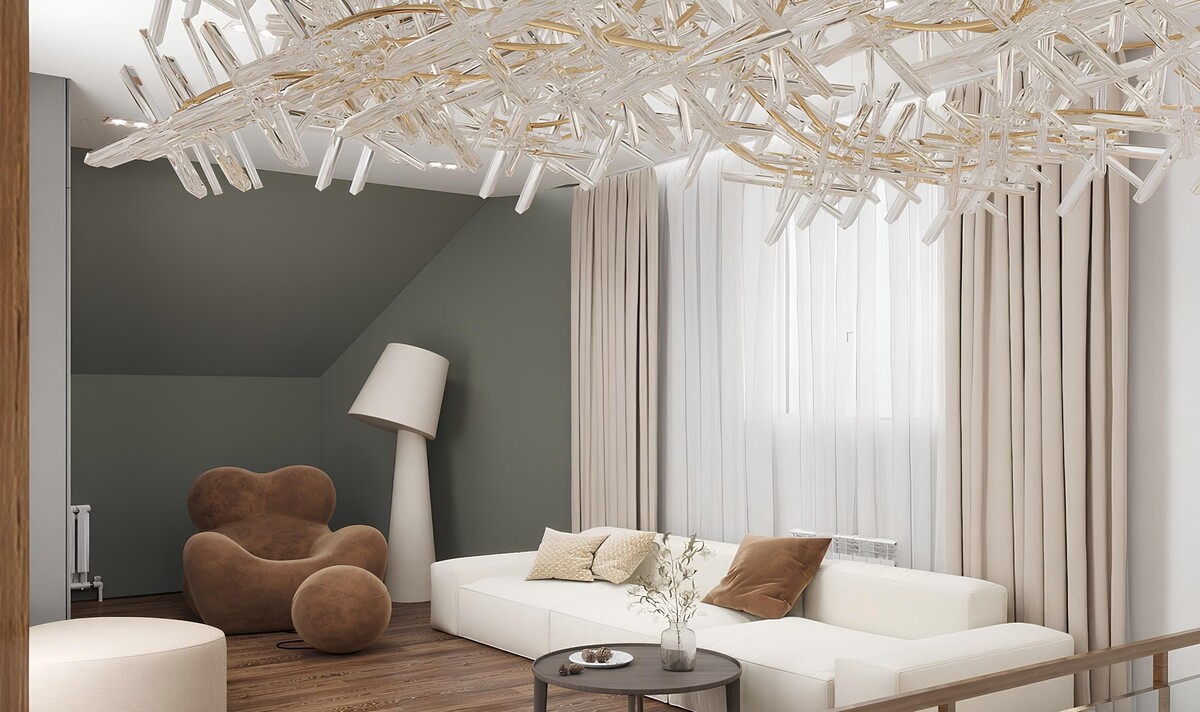
An expensive interior can be assembled by anyone holding a budget and a showroom address, since assembly requires only selection.
A luxurious interior requires interpretation — a real reading of how a household gathers, hosts, cooks, works and rests. The Gulf family taking a summer residence in Istanbul needs a reception arrangement that handles large gatherings and a private family wing that stays entirely separate, a brief our designers work through regularly for families relocating from the Emirates. A young Istanbul couple in a duplex needs something structurally different again.
Specificity of that order produces the feeling clients call luxurious. Generic quality, however expensive, produces a showroom.
Restraint reads as the costliest decision in the room
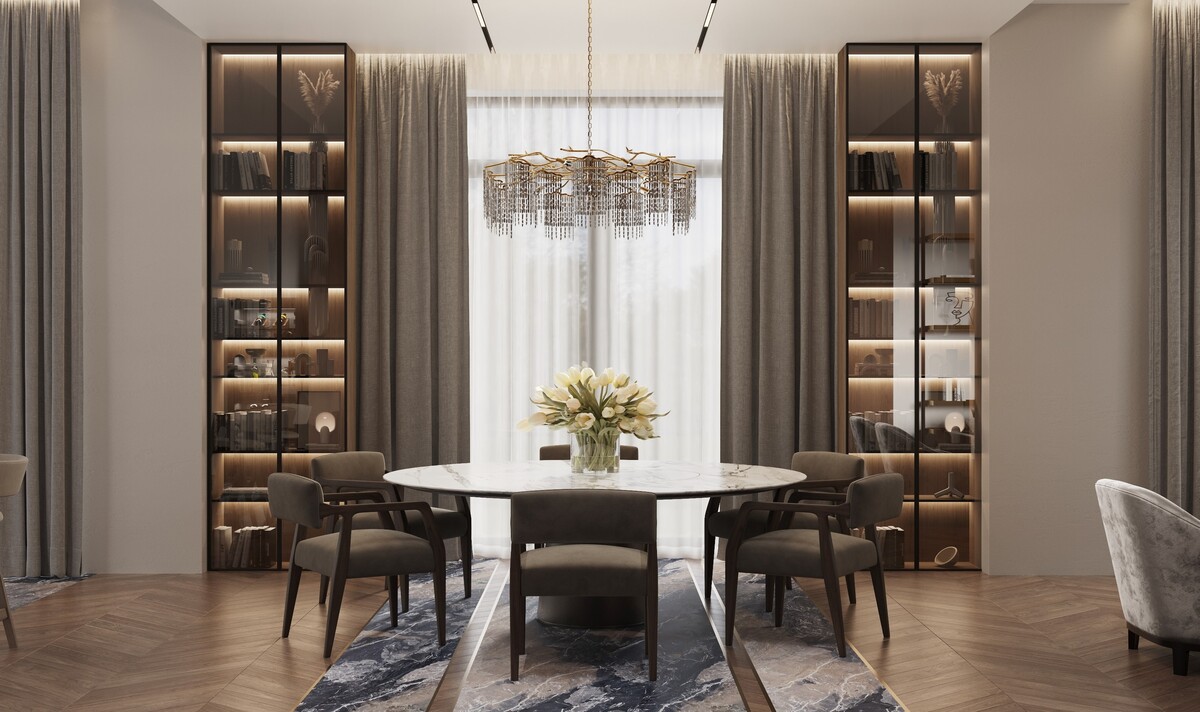
Here sits the paradox our designers enjoy explaining most: the surest route to a room that reads as expensive is a willingness to leave things out.
One sculptural chair given three metres of breathing space carries more authority than five chairs competing along the same wall. A single artwork, lit correctly and hung at the correct height, outperforms a gallery of lesser pieces. A console holding one hand-formed ceramic beside a short stack of books speaks more clearly than any crowded surface. Editing is the skill, and clutter remains the single largest obstacle between a costly house and a luxurious home.
Style choice and the cost of chasing a trend
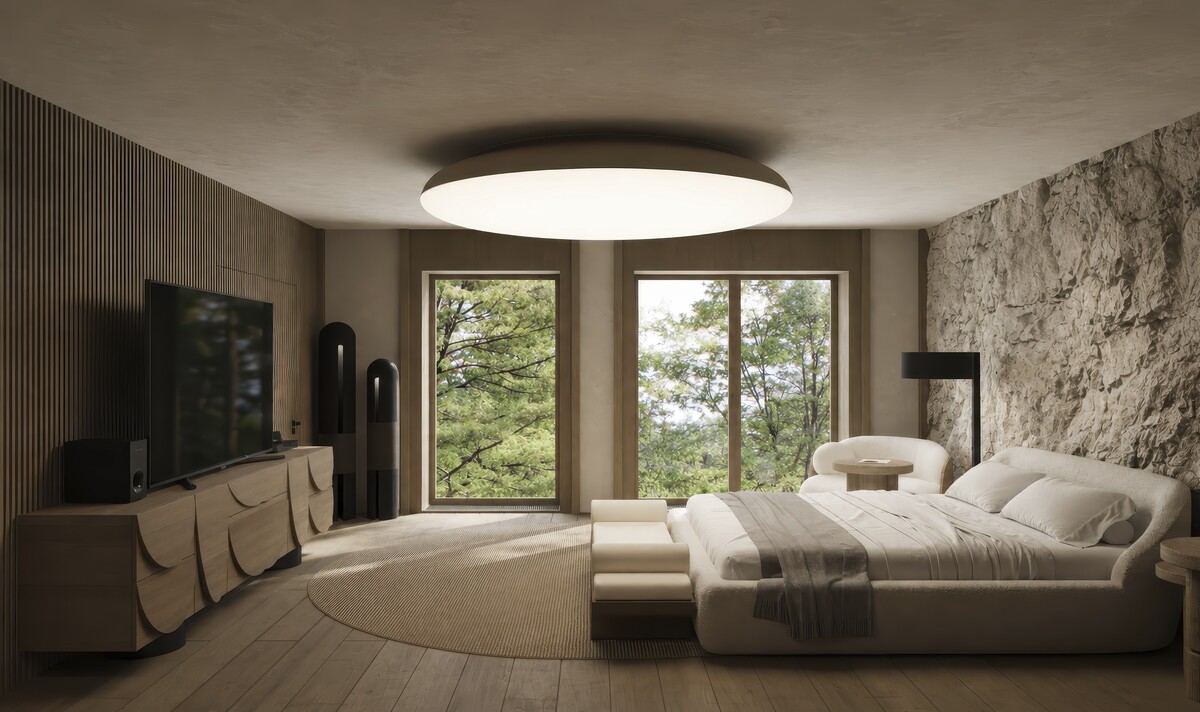
Rooms built around a current look begin depreciating on handover day. Rooms built around proportion, material and light appreciate quietly for a decade.
The practical implication for Turkish clients is that style selection deserves genuine deliberation rather than a scroll through saved images. Our guide to selecting a design direction for a villa in Turkey works through the assessment property by property — orientation, architecture, how the household actually lives — because a direction chosen for the building will outlast one chosen for the season.
The distinction holds at commercial scale too
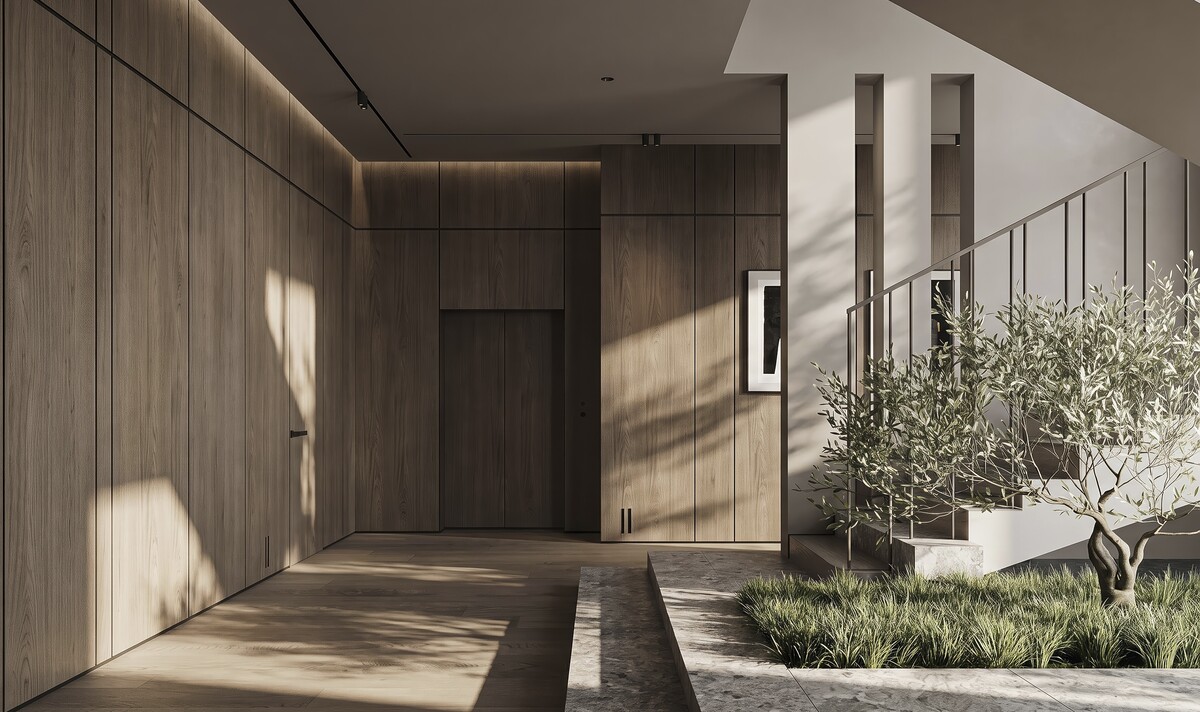
The same test applies far past private housing. A boutique hotel lobby, a restaurant, a flagship office floor — each can spend lavishly and read as ordinary, or spend judiciously and feel remarkable.
Commercial clients feel the difference in revenue rather than in compliments, since guests return to atmospheres and merely photograph spectacles. The grammar of warm material, layered light and resolved proportion governs our corporate office design in Istanbul work exactly as it governs a villa salon, which confirms the distinction as a law of design rather than a residential preference.
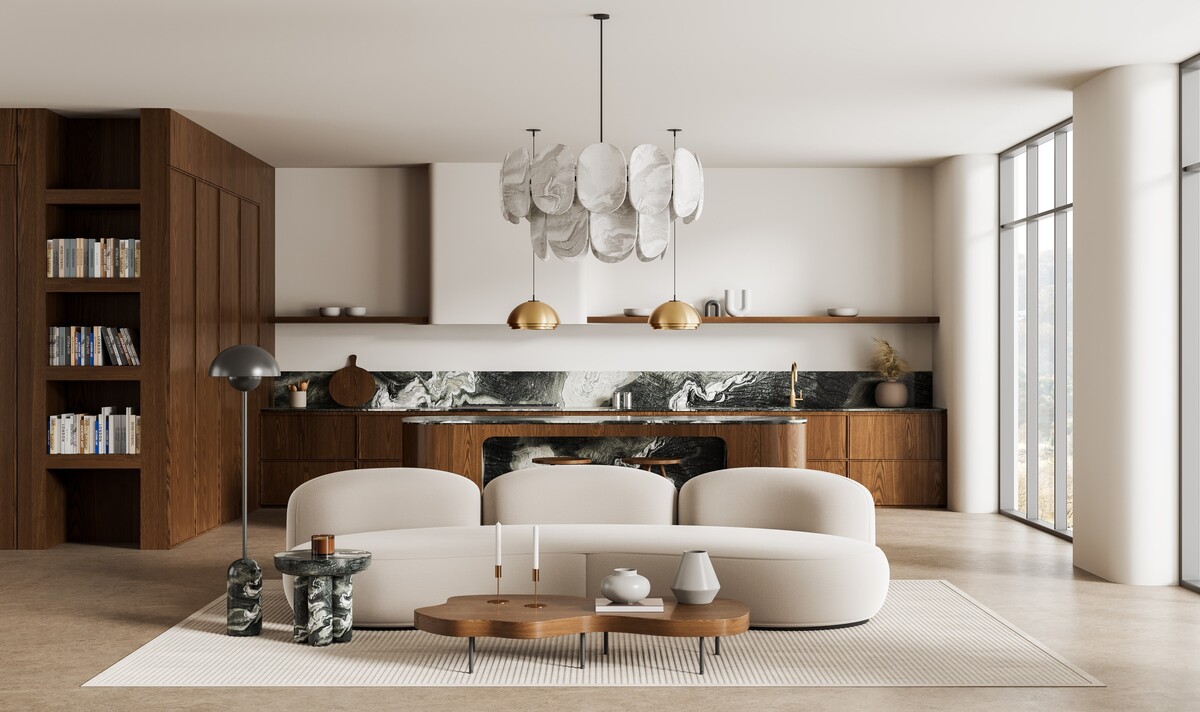
Time is the material luxury depends on
Expensive purchases peak at delivery and decline from there. Luxurious choices compound.
Teak darkens toward amber. Full-grain leather creases into a map of the evenings spent on it. Brass mellows from bright to burnished. Lime plaster develops the gentle movement that new construction always lacks. Our fit-out teams specify with that arithmetic in mind, choosing finishes for how they will look in year ten rather than in the handover photographs — an approach visible across turnkey fit-out delivery in Turkey.
The feeling is the final test
Strip the theory away and one measure remains, available to anyone standing in any room. An expensive space impresses its visitors. A luxurious space restores its owners.
The first is a performance measured in reactions. The second is an atmosphere measured in the shoulders that drop on entering, the dinner that runs long past dessert, the corner of the sofa that becomes the most contested seat in the house. Budgets build the first kind of room. Judgment, craft and a real understanding of the people who will live there build the second.
Start your project with our design team
Our designers, architects and fit-out teams build on the luxurious side of that line — proportion resolved before a finish is selected, materials specified for how they age, joinery held to tolerances the camera never records. See the philosophy in built form through our the best interior design and decor company in Istanbul, or start your project with us about your own home.
+90 533 701 89 71 · info@algedra.com.tr